
CogniFit Joins Psychology Leaders at CIPIE2026 to Explore the Future of AI and Digital Innovation

Artificial intelligence is rapidly changing how psychology is researched, taught, and practiced. Yet one question continues to shape the conversation across academia and healthcare: how can technological innovation be translated into real-world psychological practice while maintaining scientific rigor and professional responsibility?
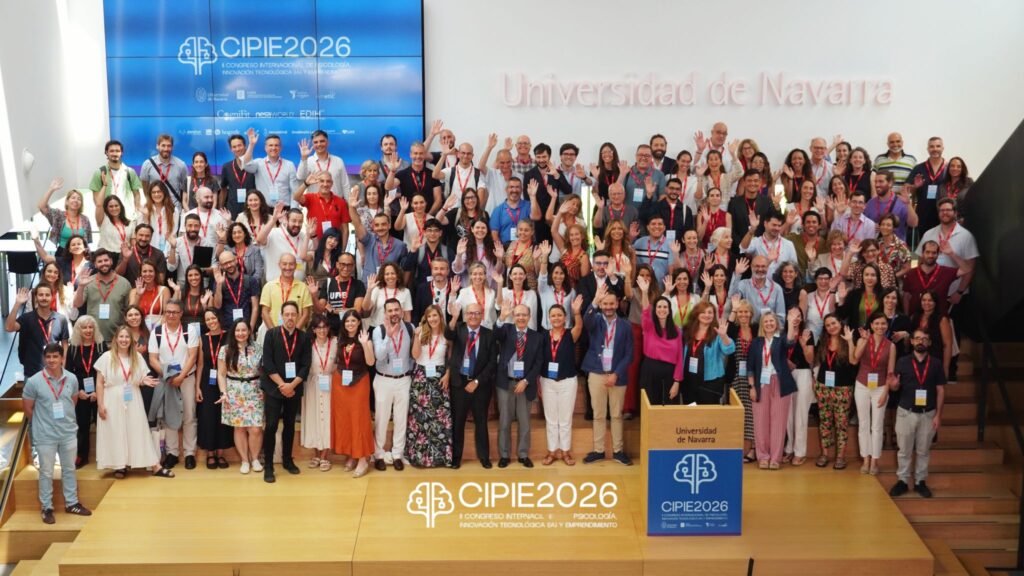
That question was at the center of CIPIE2026 (II International Congress on Psychology, Technological Innovation (AI) and Entrepreneurship), held in Madrid from July 9 to 11 and organized by the University of Navarra. As a Platinum Sponsor, CogniFit joined three days of scientific exchange, professional dialogue, and collaboration.

The international event brought together researchers, psychologists, universities, healthcare professionals, entrepreneurs, professional organizations, and technology companies. Through keynote lectures, scientific symposia, workshops, scientific communications, poster sessions, and professional networking, participants examined the growing relationship between psychology, artificial intelligence, technological innovation, and entrepreneurship.
Three Days Focused on the Future of Psychology
Rather than focusing on a single specialty, CIPIE2026 explored how technological innovation is reshaping psychology across research, education, clinical practice, and entrepreneurship.
The congress was organized around three complementary themes:
- Knowledge (SABER): Understanding the connections between psychology, technological innovation, and entrepreneurship.
- Capability (PODER): Developing the skills, strategies, and practical tools needed to integrate digital technologies into psychological practice.
- Motivation (QUERER): Fostering the attitudes, leadership, and collaborative culture required to translate scientific advances into real-world applications.
Throughout the discussions, a recurring theme emerged: technological innovation must be accompanied by scientific rigor, ethical responsibility, and meaningful collaboration.
From Artificial Intelligence to Digital Cognitive Assessment
One of the strongest messages throughout the congress was that technological innovation should be guided by scientific evidence, ethical principles, and the real needs of psychological practice.
Presentations explored a wide range of topics, including responsible artificial intelligence, conversational AI, telepsychology, virtual reality, digital cognitive assessment, gamification, neuropsychology, predictive models, and technology-assisted psychological intervention. Discussions also emphasized transparency, privacy, ethics, human oversight, and the importance of validating new digital tools before they become part of professional practice.
Several sessions highlighted how collaboration between universities, researchers, clinicians, and technology companies can accelerate the translation of scientific discoveries into practical solutions that benefit the psychology community.
A Shared Commitment to Responsible Innovation
Speakers consistently described artificial intelligence as a tool capable of assisting professionals while leaving clinical judgment, ethical responsibility, and decision-making firmly in human hands.
Technology should support psychologists, not replace them.
This perspective shaped discussions across multiple disciplines. By bringing together experts from academia, healthcare, and industry, the congress highlighted the importance of interdisciplinary collaboration in addressing the complex challenges facing modern psychological practice.
CogniFit at CIPIE2026
During the three-day event, the CogniFit team engaged directly with researchers, universities, healthcare professionals, and innovation leaders helping shape the future of psychology. The congress provided an opportunity to exchange perspectives on emerging technologies, explore areas of shared interest, strengthen existing relationships, and establish new professional connections that may support future collaboration across research, education, and clinical practice.
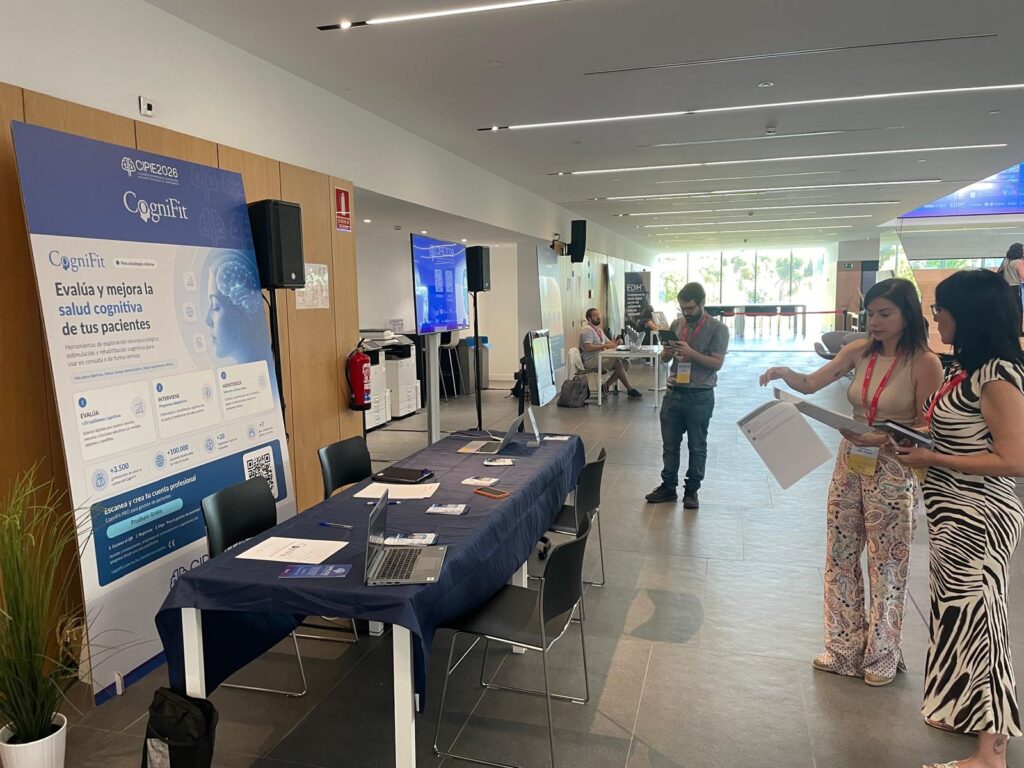
Among the most frequently discussed topics at our booth were responsible artificial intelligence, digital cognitive assessment, scientific validation, and the practical integration of technology into psychological practice.
For CogniFit, the congress represented more than participation in an industry event. It was a valuable opportunity to listen to the needs of professionals, discuss emerging challenges facing the field, and explore new avenues for collaboration with organizations committed to advancing psychology through science, innovation, and interdisciplinary cooperation.
The discussions initiated during CIPIE2026 reflect the value of bringing together academia, healthcare, and technology to accelerate responsible innovation and help translate scientific knowledge into practical solutions for the psychology community.
“Artificial intelligence is transforming psychology at an extraordinary pace. But technology alone is never enough. The conversations at CIPIE2026 reinforced something we strongly believe at CogniFit: meaningful innovation happens when researchers, universities, clinicians, entrepreneurs, and technology companies work together. Bringing scientific knowledge into everyday professional practice requires collaboration, and that is exactly what this congress was designed to encourage.”
Carlos Rodríguez, CEO of CogniFit
Looking Ahead
As psychology continues to evolve alongside artificial intelligence and digital technologies, events like CIPIE2026 demonstrate the importance of bringing together research, education, healthcare, and industry. For CogniFit, participating in the congress was an opportunity not only to support an important international initiative, but also to contribute to the broader dialogue on how science, technology, and collaboration can help shape the future of psychology.