Cross-Generational Wellness: How Different Age Groups Approach Mental Health

Perspectives on mental health vary widely across generations, shaped by cultural, economic, and social environments. These differences help illustrate how each age group approaches emotional well-being, communicates about stress, and engages with available resources. In this context, some individuals explore options such as online mental health support with Mindful Care, which offers access to remote professional services in a digital format.
Understanding mental health attitudes across generations provides insight into common themes, challenges, and evolving expectations.
Gen Z
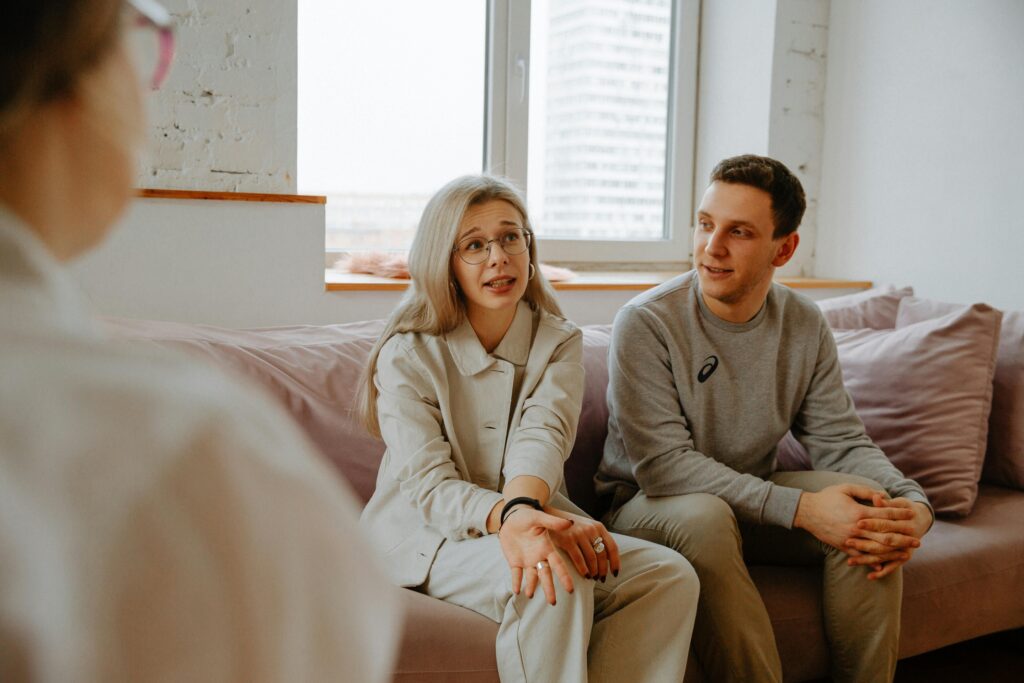
Gen Z (born approximately 1997–2012) is often described as one of the most open generations regarding emotional well-being. They tend to be familiar with mental health terminology, comfortable with digital tools, and highly expressive about personal experiences. Many reports note elevated stress levels among Gen Z and indicate that they are generally willing to seek support when they feel it is needed.
Millennials
Millennials (1981–1996) grew up during technological and economic shifts, including the transition from analog to digital life. This group played a significant role in normalizing discussions about emotional well-being. Research often points to financial pressures, interest in work–life balance, and combined use of traditional and modern wellness approaches as defining features of their relationship with mental health.
Gen X
Gen X (1965–1980) is sometimes underrepresented in discussions about mental health, yet their experiences reflect a meaningful cultural transition. Many describe themselves as independent and pragmatic, shaped by early experiences of managing responsibilities on their own. Midlife factors—such as career obligations, supporting aging parents, and raising children—are commonly associated with stress, making this generation especially aware of balancing multiple roles.

Baby Boomers
Baby Boomers (1946–1964) grew up in a period when mental health topics were often stigmatized or under-discussed. Over time, many have become more open to exploring available support options. Reports commonly mention that Boomers may prefer traditional care settings and may also experience challenges related to social isolation or shifts in family structure.
Silent Generation
The Silent Generation (1928–1945) lived through periods marked by economic hardship, war, and cultural expectations of emotional restraint. Many individuals in this group place value on stability, routine, and long-standing relationships with primary care providers. Although terminology around mental health may feel unfamiliar, modern supportive environments can play a meaningful role in their daily well-being.
Cross-Generational Comparisons
Public surveys indicate that younger generations tend to be more open to discussing mental health with peers. Technology use also varies: Gen Z and Millennials often rely heavily on digital tools, Gen X adopts them selectively, and older generations typically prefer more traditional formats.
Reports frequently note generational differences in stressors—digital and academic pressures for younger individuals, and health, caregiving, or economic responsibilities for older adults. Help-seeking preferences differ as well, with younger groups more comfortable accessing professional services and older groups often relying on familiar or informal support networks.
These patterns highlight how cultural context shapes emotional attitudes across age groups.
Opportunities for Cross-Generational Learning
Despite differences, each generation offers perspectives that can contribute to more nuanced conversations about emotional well-being:
- Gen Z can model openness in communication
- Millennials emphasize balance and advocacy
- Gen X contributes resilience and adaptability
- Baby Boomers offer long-term perspective
- The Silent Generation reflects endurance shaped by earlier eras.
Sharing these viewpoints encourages greater understanding and connection across ages.
Conclusion
Beliefs and practices surrounding mental health continue to evolve across generations. From Gen Z’s openness to the Silent Generation’s emphasis on stability, each group reflects the environment in which it grew up. Recognizing these differences supports more inclusive, empathetic engagement with emotional well-being across all ages.
The information in this article is for informational purposes only and is not medical advice. Please consult a qualified healthcare provider for professional guidance.