How Piano Training May Support Cognitive Brain Function Among Teenagers and Older Adults

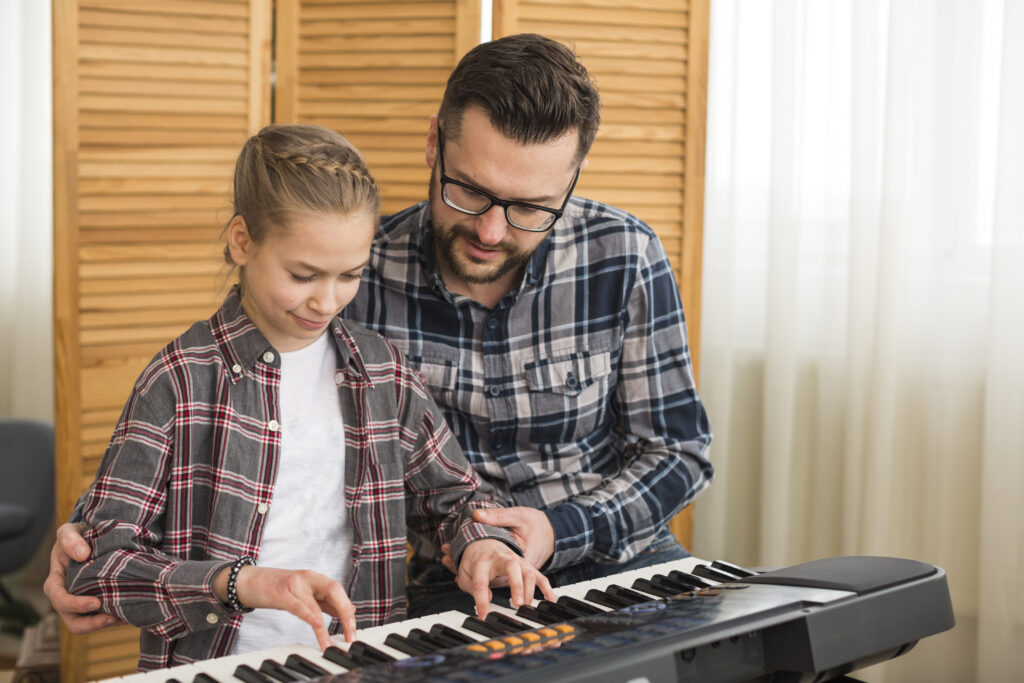
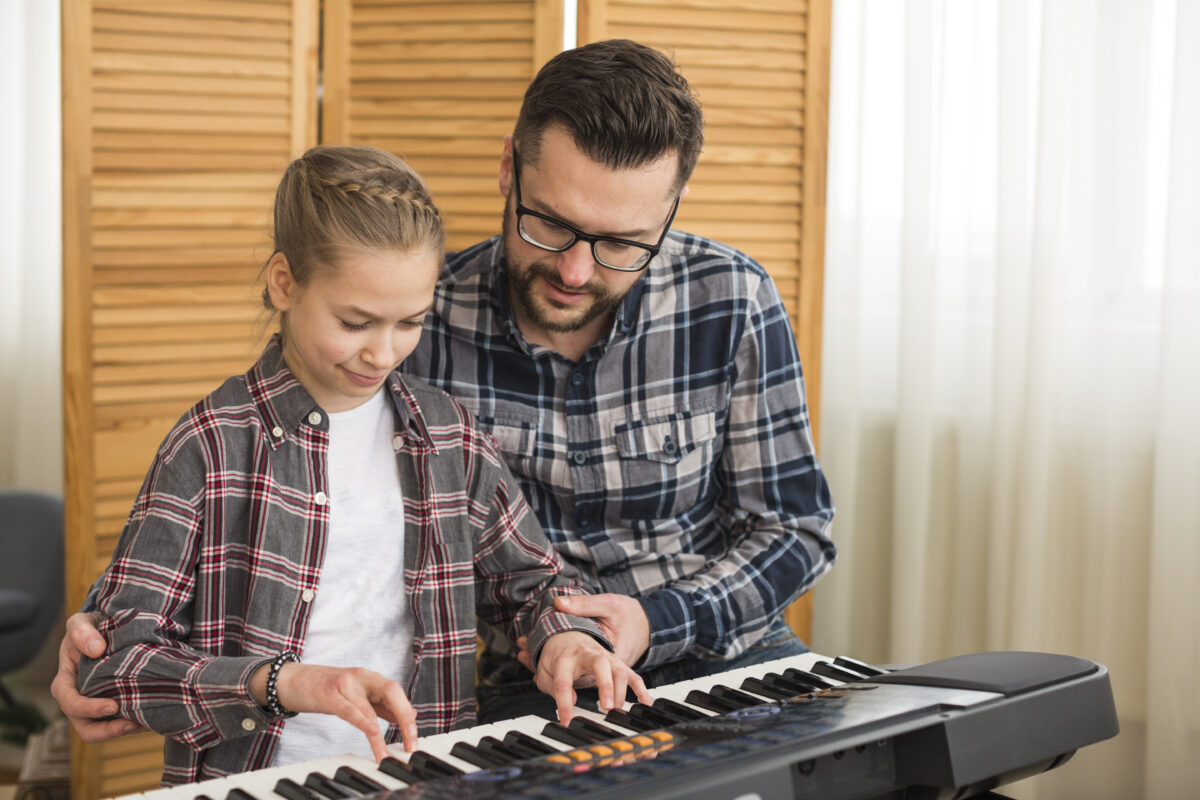
Learning to play the piano is often seen as a creative hobby, but it offers much more than the ability to play beautiful music. What makes the piano especially interesting is that its benefits are not limited to one stage of life. Teenagers are still developing important thinking and learning skills, while older adults are looking for ways to keep their minds active as they age.
This article will focus on how learning simple pieces and practicing consistently may support important brain functions, and how these changes can influence memory, concentration, problem solving, and overall mental well being.
Piano Encourages the Brain to Work in Multiple Ways at Once
Few activities challenge the brain quite like playing the piano; because a player must recognize notes, interpret rhythm, control finger movements, listen for mistakes, and often think several steps ahead to prepare for what comes next.
Instead of relying on one area of the brain, piano playing encourages different regions to communicate with one another. Visual processing, hearing, memory, coordination, and movement all work together to complete what seems like a simple piece of music.
The more these connections are used, the more efficient they may become through regular practice. This is one reason learning the piano feels difficult at first, because the brain is adapting to a new way of processing information.
However, as those skills develop, many people notice that tasks requiring concentration, organization, and quick thinking may feel more manageable outside of music as well.
Why Teenagers Benefit From Piano Training
The teenage years are a period of rapid brain development, and during this stage, young people are strengthening the mental skills they will rely on throughout adulthood, including attention, decision making, and emotional regulation.
- It encourages patience: Teenagers discover that improvement comes from practicing consistently, identifying mistakes, and gradually building confidence. This process teaches persistence in a way that naturally carries over into schoolwork, sports, and other personal goals.
- It may support attention span: In a world filled with constant notifications and distractions, sitting down to focus on one piece of music for twenty or thirty minutes may help train the brain to remain engaged without constantly shifting attention elsewhere.
- It allows emotional expression: For many teenagers, music becomes a healthy outlet for emotions. Playing the piano offers a constructive way to express feelings, reduce stress, and step away from the pressures of academics or social life.
How Does Piano Support Cognitive Health Later in Life?
As people grow older, many begin looking for activities that keep both their minds and bodies active. While crossword puzzles and reading remain valuable, learning to play the piano adds another level of mental engagement because it combines memory, coordination, listening, and movement.
Many older adults enjoy the flexibility offered by online piano schools, especially when attending in person lessons becomes less convenient. Some even appreciate that it allows them to learn at their own pace while continuing to engage with new material. Regardless of how someone learns, the important factor is maintaining consistent mental activity rather than avoiding new challenges because they seem unfamiliar.
In addition, regular piano practice may help older adults retain musical patterns, maintain hand coordination, and stay mentally engaged with new material. Learning new skills later in life can also support confidence by reinforcing the idea that personal growth does not end with age. While piano training cannot prevent every age-related cognitive change, it may support an active lifestyle that encourages lifelong learning and continued mental engagement.
Endnote
Piano training offers far more than musical ability, as it challenges the brain to think, adapt, remember, and concentrate in ways that may benefit both teenagers and older adults. Whether someone is learning for enjoyment, personal growth, or lifelong mental wellness, regular piano practice can become a rewarding habit that supports cognitive engagement while bringing creativity and purpose into everyday life.
The information in this article is provided for informational purposes only and is not medical advice. For medical advice, please consult your doctor.