CogniFit and Neuronic: Exploring Cognition Across Research and Real-World Projects

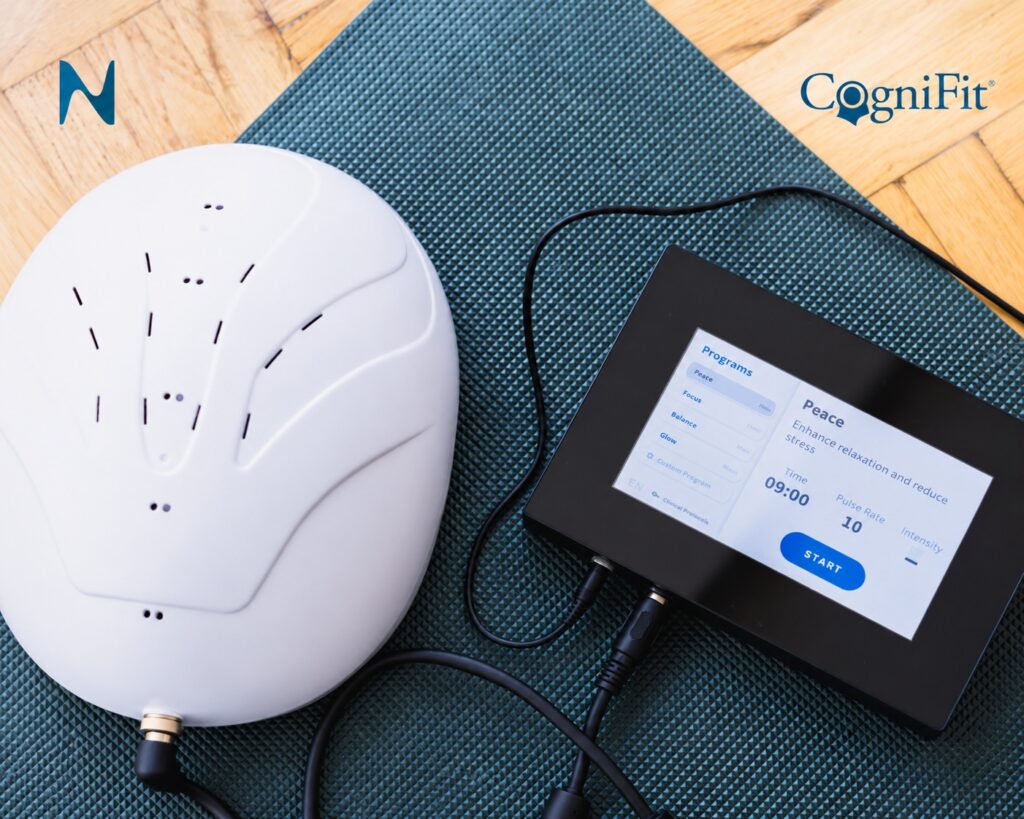
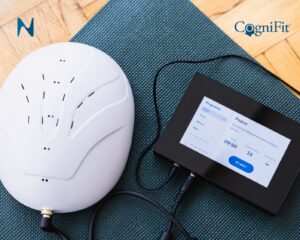
CogniFit cognitive assessments are being used across a growing range of research and real-world projects at Neuronic, a neurotechnology company developing non-invasive light-based devices designed to support brain health and cognitive function. CogniFit’s Cognitive Research Platform supports the integration of standardized cognitive assessment into longitudinal and decentralized research projects.
From a recently published PANS/PANDAS case series to projects involving APOE4 carriers, people with mild cognitive impairment and early-stage dementia, and longitudinal consultation programs, Neuronic is incorporating CogniFit to add standardized cognitive measures alongside self-reported, clinical and other types of data.
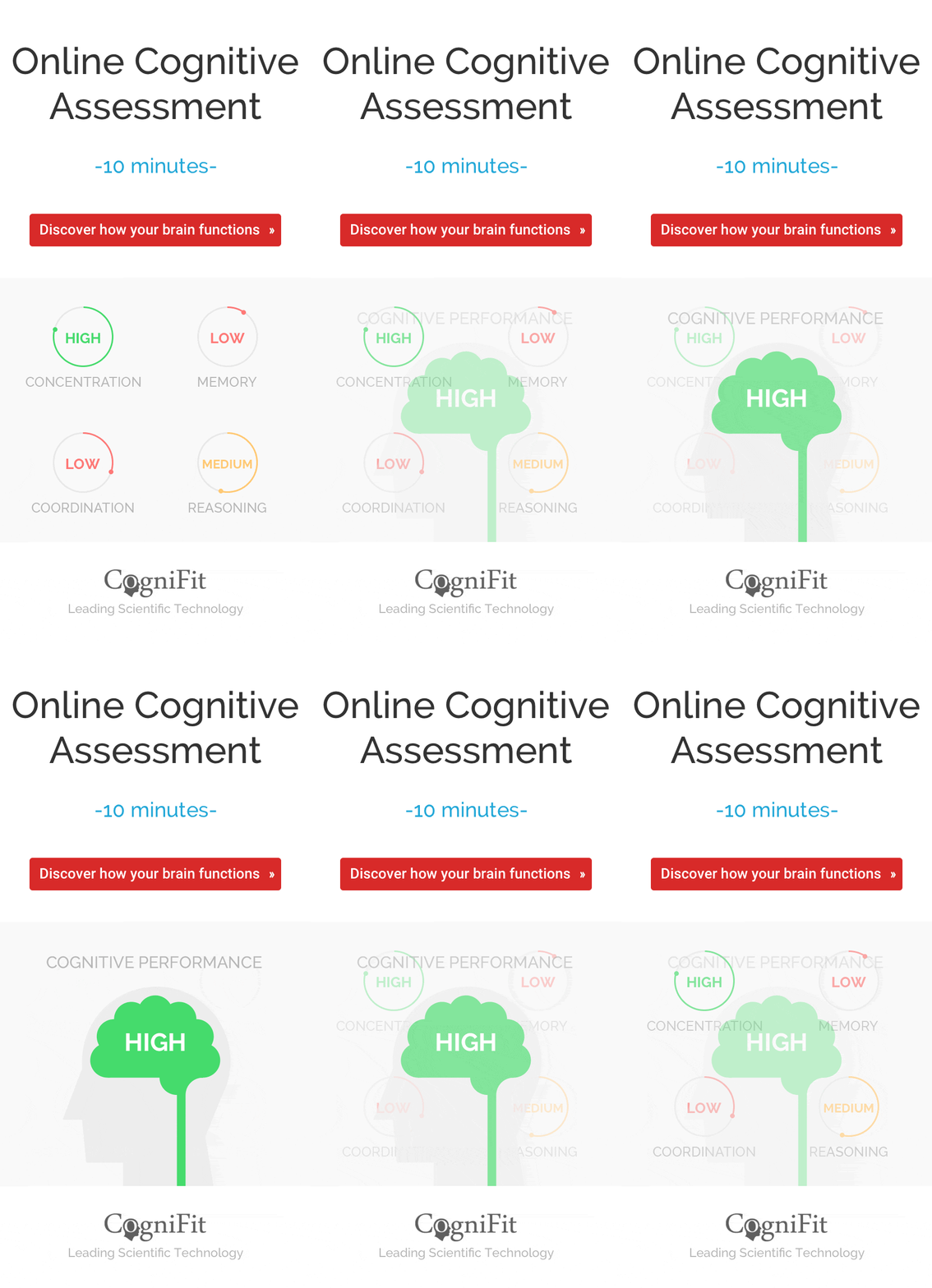
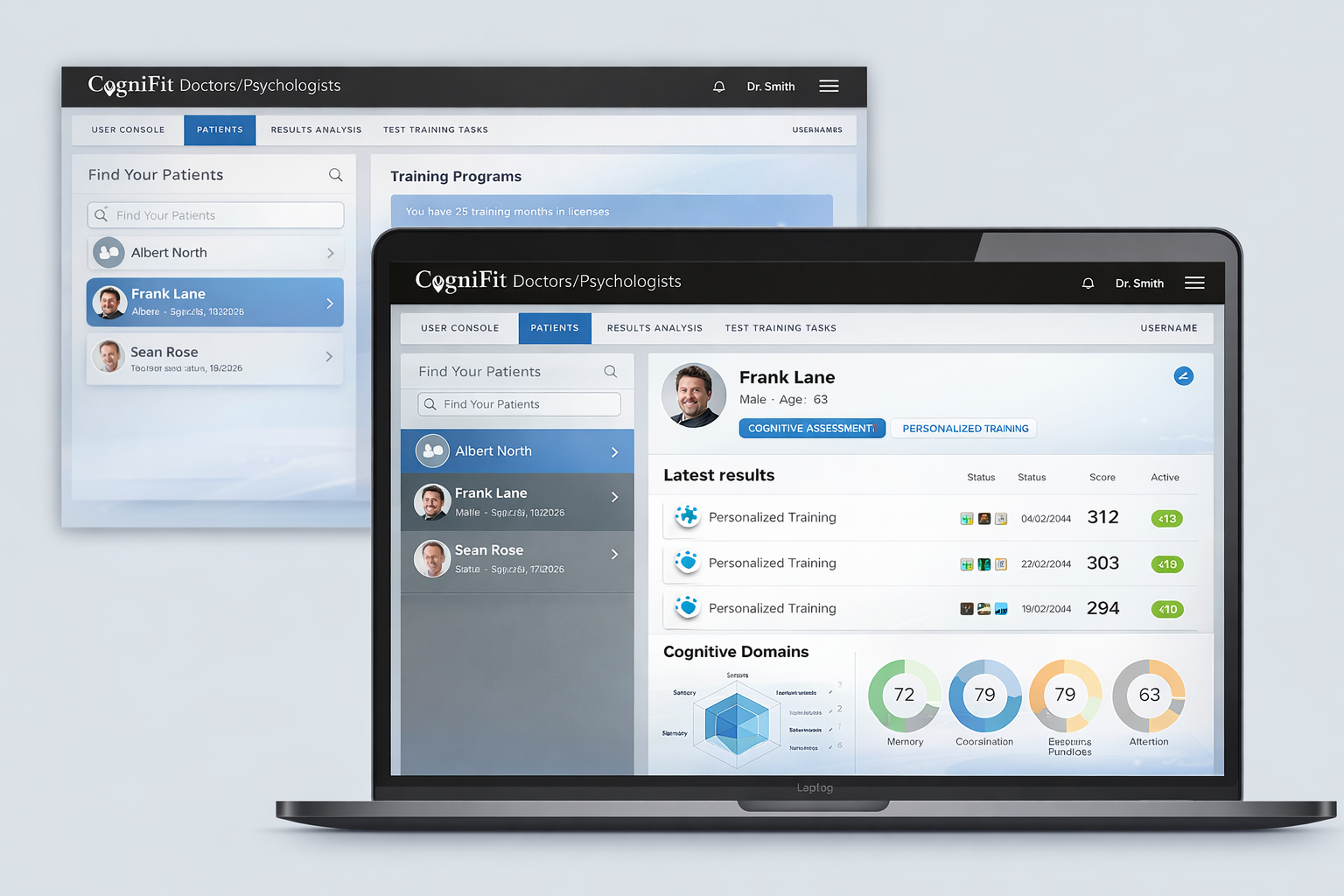
For Neuronic, CogniFit provides a practical way to look beyond an overall cognitive score and explore performance across individual cognitive domains over time. This allows cognitive data to complement other measures as the company studies the use of transcranial photobiomodulation (tPBM) in different populations and real-world settings.
The digital format also makes cognitive assessment easier to incorporate into decentralized projects where traditional in-person neuropsychological testing may be difficult to implement.
CogniFit in a Published PANS/PANDAS Case Series
One of the most recent examples is a published PANS/PANDAS case series in Frontiers in Psychiatry involving two adolescents who received home-based tPBM followed by adjunctive swLORETA neurofeedback.
CogniFit CAB-Pro was used alongside clinical, caregiver-reported and neurophysiological measures to provide standardized cognitive data across 22 skills. For one participant with CogniFit data available at both assessment points, the composite score moved from the 68th to the 82nd percentile, with higher follow-up scores in 16 of the 22 measured skills.
Looking Beyond a Single Cognitive Score
Neuronic has also used CogniFit in a pre/post analysis of 20 Neuronic users following approximately three months of tPBM.
Rather than relying only on an overall score, the analysis examined 22 individual cognitive skills. Neuronic reported statistically significant pre/post differences in 11 of them, including working memory, contextual memory, planning, recognition and visual perception.
Repeated CogniFit assessments allowed Neuronic to examine patterns across individual cognitive domains over time, complementing self-reported outcomes with standardized cognitive measures.
Cognitive Assessment in a Four-Month APOE4 Project
CogniFit was also incorporated into a four-month citizen-science project involving 25 APOE4 carriers.
The project combined cognitive testing with sleep data, blood biomarkers, heart-rate variability, daily check-ins and device-use information, illustrating how cognitive measures can become part of a broader real-world dataset.
Neuronic reported higher follow-up memory scores in 20 of 25 participants, while naming, non-verbal memory, visual perception and working memory met the project’s statistical significance threshold.
The project also illustrates how digital cognitive assessment can be integrated into decentralized longitudinal research alongside multiple other sources of real-world data.
Three Assessment Points in MCI and Early Dementia Research
CogniFit was also used in a Neuronic study involving people with mild cognitive impairment and early-stage dementia due to Alzheimer’s disease.
Participants completed CogniFit assessments at baseline, approximately 1.5 months and three months, alongside qEEG, sleep-related measures and participant-reported outcomes.
In its interim analysis, Neuronic reported statistically significant pre/post differences in inhibition, hand-eye coordination, recognition and auditory perception.
The project shows how repeated digital assessments can help researchers follow specific cognitive domains across multiple points in a longitudinal study.
From Research Studies to Neuronic Consultations
CogniFit has also been incorporated into Neuronic’s consultation pathways, extending its use beyond individual research projects.
According to Neuronic, CogniFit assessments are generally administered approximately three months apart to provide information about changes across cognitive domains over time.
In the standard pathway, information from forms and CogniFit assessments contributes to the consultation process, with follow-up after a second assessment. The advanced pathway can incorporate multiple assessments alongside qEEG review.
This gives users and consultants a structured way to observe cognitive performance at different points in time instead of relying exclusively on subjective impressions of change.
One Platform Across Different Research Questions
Although Neuronic’s projects involve different populations and study designs, CogniFit plays a consistent role across them.
In the PANS/PANDAS case series, it contributed standardized cognitive data to a multimodal clinical dataset. In the 20-user analysis, it provided pre/post measurements across 22 skills. In the APOE4 project, cognitive testing became one of six streams of real-world data. In the MCI and early dementia study, assessments were repeated three times. And in consultations, CogniFit is being used as part of an ongoing longitudinal workflow.
“We’ve particularly valued the breadth of cognitive domains available and the ability to look beyond an overall cognitive score to explore patterns across individual domains over time. The digital format also makes it feasible to incorporate cognitive measurement into decentralized and real-world projects where traditional neuropsychological testing would be difficult to implement.”
– Brooke Hill, Product Insights Lead, Neuronic
What Real-World Use Is Teaching Neuronic
Using CogniFit across several projects has also raised practical research questions:
- One is assessment burden. More measurements can provide more information, but testing too frequently may affect adherence or data quality.
- Another is test frequency. The appropriate interval between assessments may vary depending on the population, study design and research question.
- A third is domain selection. Not every cognitive skill will necessarily be equally informative for every population, making it useful to examine individual domains and identify which measures deserve closer attention in future studies.
These questions are increasingly relevant as Neuronic continues to explore CogniFit alongside patient-reported outcomes, clinical measures and device-use data.
Looking Ahead
The work between CogniFit and Neuronic shows how digital cognitive assessment can be integrated across very different research and real-world settings, from published case studies and citizen science to longitudinal projects and consultations.
Across these use cases, the common thread is the ability to measure multiple cognitive domains over time and consider those results alongside self-reported outcomes, clinical measures and device-use data.
“What makes this collaboration particularly interesting is that cognitive assessment is not being treated as an isolated endpoint. Across these projects, CogniFit is being integrated with other sources of information to help researchers examine cognition in a broader context and over time. That is an important direction for digital cognitive research: making structured measurement practical in settings that extend beyond the traditional laboratory.”
– Carlos Rodríguez, CEO of CogniFit
As Neuronic continues to use CogniFit across different populations and project designs, these experiences can help guide decisions on assessment frequency, participant burden, and which cognitive domains may be most informative for different research questions.
More broadly, making standardized cognitive assessment easier to incorporate into longitudinal and decentralized projects can help researchers build richer datasets and refine the questions that future studies are designed to answer.
What is Neuronic?
Neuronic develops transcranial photobiomodulation (tPBM) devices using 1070 nm near-infrared light for at-home and clinical use, designed to support cognitive performance and well-being. More than 300,000 Neuronic sessions have been completed to date. Neuronic also explores the use of tPBM across a range of cognitive and neurological applications. Learn more about Neuronic’s research and ongoing projects.
About CogniFit
CogniFit is a global pioneer and leader in cognitive healthcare. Since 1999, the company has built one of the world’s most widely used digital platforms for cognitive assessment and training – an FDA-registered solution available in more than 18 languages and trusted by clinicians, neuropsychologists, researchers, educators and health organizations worldwide. CogniFit’s technology is backed by one of the largest bodies of evidence in the field: more than 200 peer-reviewed studies involving 18,000+ participants and 110+ universities and research centers, including over 25 randomized controlled trials, with research conducted at institutions such as Albert Einstein College of Medicine (published in The Lancet Healthy Longevity), Icahn School of Medicine at Mount Sinai, Johns Hopkins University, Tel-Aviv University and the University of Zurich. The platform enables professionals to assess, monitor and train cognition across the entire lifespan – from developmental conditions such as ADHD to peak performance, healthy aging and longevity. Learn more at www.cognifit.com/science.