How In-Home Medical Alert For Seniors Helps Families Stay Connected

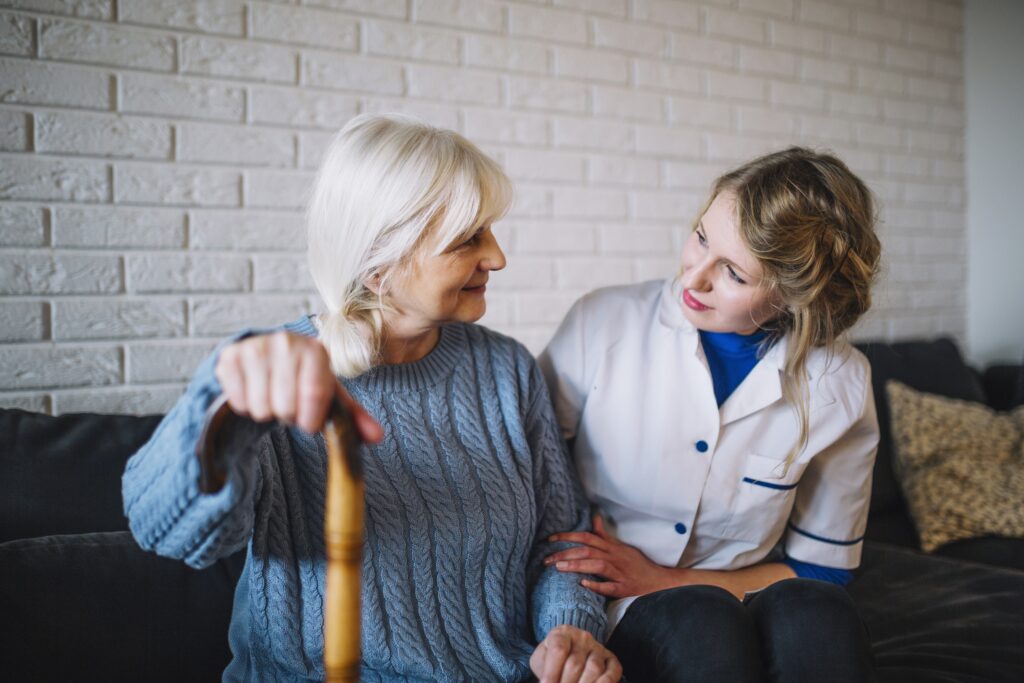
For many Canadian families, having a parent or grandparent who lives on their own means constantly worrying about situations where nobody can get in touch with them. An in-home medical alert system can help bridge that gap by providing seniors with a direct line to help and giving families additional reassurance about their loved ones’ wellbeing between visits or phone calls.
In contrast to just being a solution that can be used during emergencies, a good-quality medical alert system can become your seniors’ helper during ordinary days. It can provide prompt assistance after a fall, a comforting voice when seniors feel scared, or just a sense of confidence that there will always be someone to help.
These systems combine several features working together, from two-way voice and one-button access to round-the-clock monitoring and backup power, each playing its own role in supporting seniors and helping families stay connected.
Here are five ways an in-home medical alert system supports that connection every single day.
1. Two-Way Voice Communication Keeps Seniors Connected To Help
Real-time voice communication is one of the most crucial features of an in home medical alert for seniors, as it allows a person to communicate directly with the monitoring specialist when they need assistance, without having to make a call or look for the device.
This function is integrated into the base unit itself, which means that a senior will just have to speak from across the room using a highly sensitive microphone and an emergency speaker.
For families, this real-time voice connection is reassuring because it means a loved one is never simply pressing a silent button and hoping someone responds. They are immediately talking to a real person who can assess the situation and coordinate help.
2. One-Button System Makes Reaching Monitoring Centre Simple
Complicated technology can quietly discourage seniors from using a safety device altogether, especially if buttons, menus, or apps feel confusing under stress. A one-button design removes that barrier entirely, since the wearable pendant or wristband requires only a single press to connect directly to the monitoring centre.
This simplicity matters most during an actual emergency, when clear thinking can be difficult, and it also matters for family members, who can trust that their loved one will not struggle with the device when it counts. The easier a system is to use, the more likely it is to be used consistently every day.
3. 24/7 Monitoring Gives Families Ongoing Reassurance
Round-the-clock monitoring means monitoring support remains available at all hours, even late at night or on weekends when family members may not be immediately reachable. Trained specialists are available at all hours to answer calls, assess the situation, and contact emergency services or a designated family contact as needed.
This constant availability alleviates the burden on the adult child or other caregivers who may not always be there and/or awake at the right time to provide the needed assistance. Knowing that monitoring support is available around the clock can provide some relief to families without putting them on alert all the time. Such monitoring is particularly important for families that live far from each other.
4. Fall Detection Provides An Added Layer Of Support
Falls continue to be one of the most frequent medical emergencies for older people. However, fall detection technology may provide an additional layer of support by detecting a hard fall and sending an alert to the monitoring centre when the wearer may be unable to press the button.
This feature is especially valuable for families, since it means an alert can still be sent in situations where a senior physically cannot ask for help themselves, closing a gap that a button-only system cannot fully cover on its own.
5. Backup Battery Helps Maintain Protection During Power Outages
Power failures are a very real threat in Canada, especially during winter storms and harsh weather conditions. A reliable backup battery can help ensure that a medical alert base station continues working during a power failure.
In the event of unreliable backup power, a family’s security can be compromised at the most hazardous time of year. Therefore, a security system with a long-lasting, preferably rechargeable, battery and self-monitoring can provide reassurance that the system may remain operational during certain power outages.
Conclusion
Home medical alert systems go far beyond offering their users an emergency response service. Voice communications, one-button calling capability, round-the-clock monitoring, fall detection, and dependable battery backup can provide additional support for senior citizens and, at the same time, give peace of mind and true connection to families who cannot always be around.
Each feature takes care of its own gap: whether it be a fall or a power outage, each one can help make it easier to request assistance when needed. For Canadian families to make an informed decision when choosing a product, it is important to understand how all these components work together.
The information in this article is provided for informational purposes only and is not medical advice. For medical advice, please consult your doctor.