How Pediatric Physical Therapy Strengthens Movement and Balance

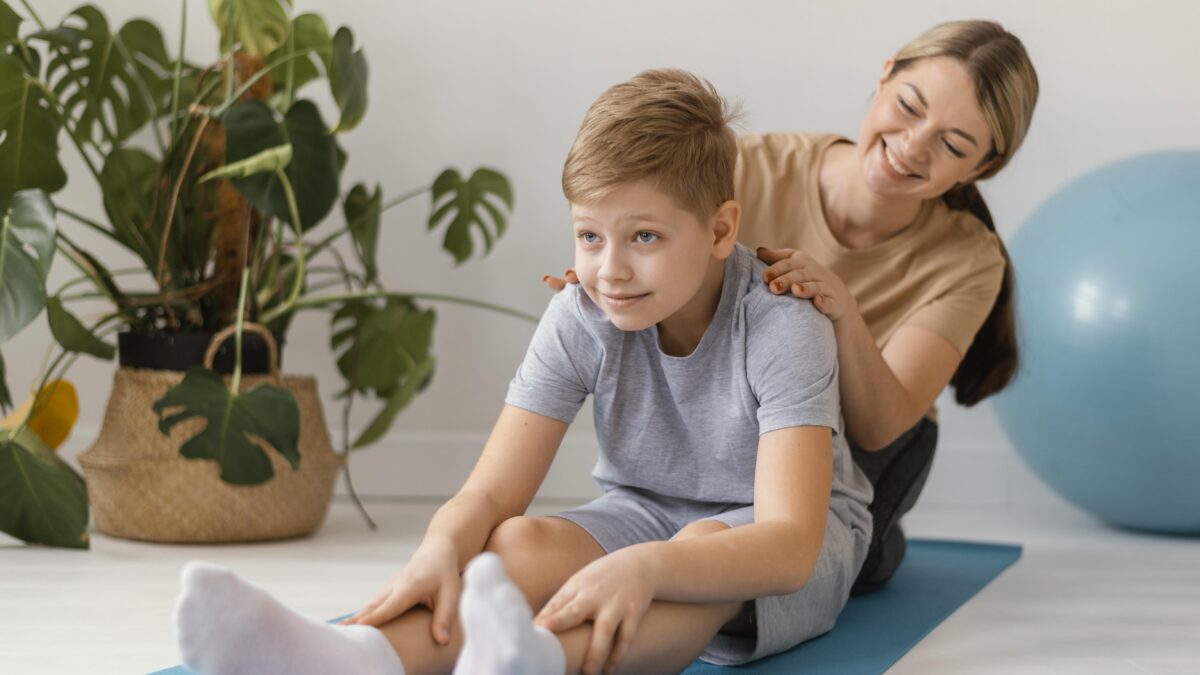
Children build movement skills through repeated practice, sensory feedback, and growing muscle control. Some children need extra support because of developmental delays, injuries, neurological conditions, or differences in coordination. Pediatric physical therapy addresses these needs through structured activities that improve strength, balance, posture, and functional movement. Each session connects exercises to daily tasks, helping children move with greater control at home, school, and play. The process begins with an evaluation of movement patterns and physical needs.
Building Strength for Daily Movement
Muscle strength supports nearly every physical task a child performs. A therapist may use climbing, squatting, stepping, pushing, or supported walking to develop strength in the legs, hips, trunk, and upper body. These activities match a child’s abilities and progress gradually. Stronger muscles help children rise from the floor, climb stairs, maintain sitting posture, and participate in playground activities. Strength work also supports joint stability and reduces compensatory movement patterns.
Families seeking physical therapy in Orland Park South should consider pediatric care at reputable clinics that provide physical therapy alongside other pediatric services. This lets families discuss related developmental or diagnostic concerns in a single care setting.
Improving Balance and Body Awareness
Balance depends on more than leg strength. Children must process information from their muscles, joints, eyes, and inner ears while adjusting their position. Pediatric physical therapy gives children repeated opportunities to practice these responses in controlled settings.
A therapist might use balance beams, uneven surfaces, stepping patterns, or reaching games. These tasks challenge the child to shift weight, recover from small changes, and maintain a stable position. Over time, improved balance supports safer walking, running, jumping, and transitions.
Body awareness also affects coordination. Children who have difficulty sensing where their limbs are in space often trip, bump into objects, or avoid physical play. Targeted movement activities provide clear feedback and help children plan actions more accurately.
Supporting Coordination and Motor Planning
Motor planning lets a child organize a movement before performing it. This skill affects tasks such as kicking a ball, navigating stairs, catching, or moving through an obstacle course.
Physical therapists break complex actions into smaller steps. A child may first practice weight shifting, then stepping, then combining both skills during a game. This approach gives the child time to understand the sequence and repeat it successfully.
Therapists also work on bilateral coordination, which requires both sides of the body to work together. Activities such as climbing, crawling, and ball play strengthen this skill while keeping practice active and age-appropriate.
Addressing Posture and Alignment
Posture affects balance, breathing, walking, and endurance. Here are some examples of what that means:
- A child who sits with poor trunk control may struggle to use their arms efficiently or maintain attention during classroom activities.
- A child with uneven alignment may place excess stress on certain joints.
Therapists observe how a child sits, stands, walks, and changes position. Treatment then targets the muscles and movement habits that affect alignment. Exercises may include core strengthening, supported standing, stretching, and controlled transitions.
Some children require specialized interventions for tight muscles or limited joint motion. Serial casting uses progressively adjusted casts over approximately 3 to 6 weeks to stretch tight muscles and improve joint range of motion. This treatment can also support alignment, mobility, and brace use for children with conditions such as cerebral palsy.
Connecting Therapy to Real-Life Skills
Effective pediatric therapy connects exercises to activities that matter to the child. A therapist might practice stepping onto a curb, carrying a school bag, getting into a car, or joining a playground game.
This functional focus helps families recognize progress outside the clinic. Caregivers receive practical guidance for safe movement practice at home, such as encouraging controlled squats during play or using simple balance activities near a stable surface.
Progress also depends on repetition between sessions. Short, manageable activities fit more easily into family routines and give children frequent chances to use new skills.
Tracking Progress Over Time
A physical therapist measures progress through direct observation and functional goals. Useful measures include walking quality, balance duration, stair skills, range of motion, strength, and the level of assistance required.
Goals should describe meaningful changes rather than isolated exercise performance. For example, a goal might focus on walking across a room without support or standing long enough to complete a classroom task.
Regular reassessment shows which strategies work and where treatment needs adjustment. Clear communication helps caregivers understand progress and continue appropriate practice between appointments.
Conclusion
Pediatric physical therapy strengthens movement by combining muscle training, balance practice, coordination work, posture support, and functional tasks. Children gain skills through repeated activities that match their abilities and daily routines.
Families should seek an evaluation when movement difficulties limit participation, safety, or independence. A useful next step is to record specific concerns, such as frequent falls, trouble climbing stairs, or delayed motor skills, then discuss those observations with a pediatric physical therapist.
The information in this article is provided for informational purposes only and is not medical advice. For medical advice, please consult your doctor.