
Can a Chatbot Really Replace a Psychologist? What AI Can (and Can’t) Do for Mental Health

In recent years, conversations about mental health have taken a digital turn. As artificial intelligence continues to evolve, more and more people are turning to chatbots to explore their thoughts and emotions. But can these virtual tools truly support our mental health in meaningful ways – or even replace traditional psychological help?
In this article, we explore the real capabilities and limitations of AI-powered chatbots in the context of mental health. We’ll examine what they can do, what they absolutely cannot, and how technology – when used wisely – might complement, but never substitute, human connection and expert care.

The Rise of AI Companions in Emotional Support
According to the World Health Organization’s Global Strategy on Digital Health (2020–2025), digital technologies – including artificial intelligence – are being widely promoted to support universal, equitable access to quality health services and improved system efficiency.
AI-based chatbots have rapidly become part of the mental health conversation. They’re available 24/7, never judge, and can mimic conversational empathy. Tools like generative AI assistants (including ChatGPT) and other specialized applications are now being used to talk about feelings, navigate daily stress, and even cope with loneliness.
These chatbots typically operate using large language models, trained on massive amounts of human dialogue. Some are rule-based, offering structured support based on pre-programmed scripts. Others use adaptive algorithms to mirror user tone or provide guided self-help exercises.
Many users report that interacting with a chatbot helps them feel heard or validated – especially when they don’t have access to professional support right away. In some cases, these tools may offer helpful suggestions for managing low-level stress, establishing routines, or practicing mindfulness.
But this leads to a crucial question: does “feeling heard” by a chatbot actually translate into psychological support – or does it simply simulate it?
The Human Mind Is Complex – Can AI Keep Up?
While chatbots can carry on surprisingly natural conversations, it’s important to understand what they are not. AI is not conscious. It doesn’t understand context, emotional nuance, or personal history.
Unlike a qualified professional, a chatbot cannot:
- Assess clinical symptoms
- Identify underlying causes of distress
- Provide a diagnosis
- Adapt therapeutic techniques in response to evolving human needs
- Respond safely in crisis situations
AI systems lack human judgment and the ethical grounding necessary for true psychological intervention. Even advanced models operate without emotional awareness – they recognize patterns in language, not real emotions.
While chatbot systems can be helpful for reflection and structured self-guidance, they are not a substitute for clinical care and are not built to manage complex emotional conditions.
The Illusion of Support: When Technology Feels Safer Than It Is
One of the most significant risks with mental health chatbots is the illusion of help.
Because these tools are conversational and always responsive, users may feel they are receiving meaningful support – even when they’re not. In some cases, people may substitute professional help with chatbot conversations, potentially delaying diagnosis or appropriate care.
This false sense of security can be particularly dangerous in situations involving:
- Depression or suicidal ideation
- Trauma and post-traumatic stress
- Complex anxiety disorders
- Emotional dysregulation
In independent academic reviews (Vaidyam et al., “Chatbots and Conversational Agents in Mental Health”), researchers note that while AI tools can expand access and provide structured interactions, they are not designed to replace clinical care and may lack the necessary protocols for complex emotional support.
This highlights a crucial truth: technology may appear empathetic, but it doesn’t truly understand distress.
So, What Can AI Actually Do for Your Mental Health?
The question isn’t whether AI can replace a psychologist – but how it can support you differently.
Here’s where AI and digital tools can truly make a difference.
1. Guided Self-Reflection
Some AI tools are designed to guide users through structured self-reflection. By asking open-ended questions or prompting users to describe their current state, these systems can help individuals externalize thoughts and better understand what they’re feeling. For example, a chatbot might ask, “What has been on your mind today?” or “How would you describe your current mood in three words?”
These types of prompts encourage users to slow down, observe their internal state, and develop greater emotional awareness – particularly useful for those who struggle to name, regulate, or even recognize their emotions. In psychology, this process is often referred to as affect labeling.
While these interactions are not a substitute for therapy or diagnostic insight, they can create space for personal reflection and help users become more attuned to their emotional patterns over time. In this sense, AI can act as a supportive mirror – offering structure for introspection, without judgment.
2. Mindfulness and Meditation Apps
Some platforms offer voice-guided meditations, breathing exercises, and gentle prompts to check in with your emotions. Sessions may be led by real human coaches – as in MindFit – or use AI-generated voices, depending on the app. While not therapeutic interventions, they can support emotional regulation and help reduce everyday stress.
They may also help users develop consistent daily routines that promote calm and focus, especially when used at the same time each day. Over time, engaging with these tools can encourage a greater sense of presence, helping users notice how thoughts and sensations shift throughout the day.
3. Mood and Behavior Tracking
Digital mood logs and self-evaluation platforms allow users to track patterns in their thoughts, sleep, activity, and focus. Over time, this data can help identify triggers or lifestyle factors that affect mental performance.
4. Cognitive Training Platforms
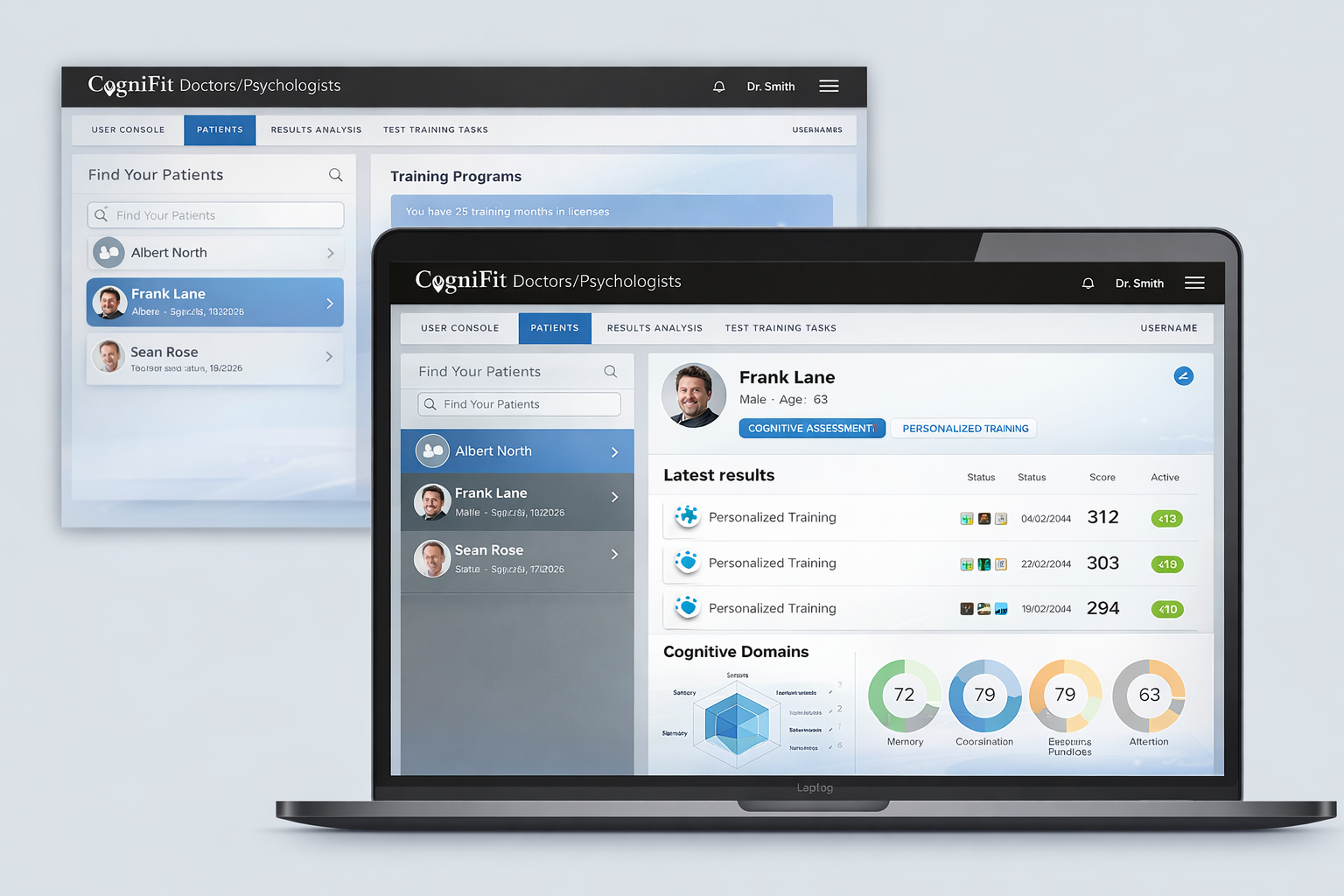
Online cognitive training programs offer science-based exercises to support skills like memory, attention, and mental flexibility. While not designed for emotional therapy, they may help improve focus and contribute to a sense of cognitive clarity and mental engagement as part of a healthy routine.
When used consistently, cognitive training may become part of a broader mental wellness routine – just like sleep hygiene, physical activity, or balanced nutrition.
Why Human Support Still Matters Most
Even the most advanced chatbot cannot replicate the therapeutic alliance between a human and a trained mental health professional. Empathy, intuition, clinical expertise, and the ability to adapt in real time are hallmarks of effective psychological support.
Furthermore, people benefit not only from what a therapist says, but from being seen, understood, and validated by another person. That kind of deep human presence can’t be coded.
Mental health isn’t just about processing thoughts – it’s about relationships, trauma, development, attachment, and meaning. These complexities require human awareness and ethical responsibility.
Artificial intelligence in mental health is best seen as a supportive tool – something that can enhance access or structure, but not replace human care.
Final Thoughts: Technology as a Tool, Not a Cure
AI and mental health chatbots are not a replacement for therapy, nor should they be treated as such. But when approached with awareness, they can provide helpful structure, reflection, and support for daily wellbeing.
The most important takeaway? Know the limits of the tool you’re using. Use AI to help organize your thoughts or build emotional awareness – but turn to human professionals when you’re facing deep emotional challenges.
Mental health support is not one-size-fits-all, and your wellbeing deserves more than a script.
The information in this article is provided for informational purposes only and is not medical advice. For medical advice, please consult your doctor.
References:
- Vaidyam, A. N., Wisniewski, H., Halamka, J. D., Kashavan, M. S., & Torous, J. B. (2019).
Chatbots and Conversational Agents in Mental Health: A Review of the Psychiatric Landscape.
The Canadian Journal of Psychiatry, 64(7), 456–464. https://doi.org/10.1177/0706743719828977 - World Health Organization. (2021). Global Strategy on Digital Health 2020–2025. Geneva: WHO. Retrieved from https://www.who.int/docs/default-source/documents/gs4dhdaa2a9f352b0445bafbc79ca799dce4d.pdf