
New Study Examines Mineral Intake and Cognitive Performance in Spanish Adults

A growing body of research has explored how nutrition relates to cognitive performance, often focusing on deficiencies. But what happens when intake levels are higher than typical recommendations? A newly published study from Spain examines this question by analyzing how dietary mineral intake relates to specific cognitive functions in adults with overweight and obesity.

Note: This article is intended for general information and educational purposes. It summarizes scientific research in accessible language for a broad audience and is not an official scientific press release.
A recent peer-reviewed study by Tomé-Fernández and colleagues, conducted at the University of Alicante and affiliated research centers in Spain, investigates the association between dietary mineral intake and cognitive performance in adults with overweight and obesity. The study was published on March 31, 2026, in the journal Nutrients.
The researchers analyzed data from 230 adults aged 18 to 65 as part of the Tech4Diet-Person project. Using dietary assessments and a computerized cognitive battery, the study explored whether intake levels of specific minerals, particularly iron and zinc, were associated with performance in executive cognitive domains such as reasoning, cognitive flexibility, and working memory. The authors report that higher self-reported intake of iron and zinc showed nominal associations with lower performance in certain cognitive domains, although they emphasize that these findings are exploratory.
What the Researchers Investigated
The study aimed to examine associations between dietary intake of selected minerals and cognitive performance, with a particular focus on executive-related functions. According to the authors, while adequate mineral intake is essential for brain function, “the potential impact of excessive consumption remains underexplored.”
The research focused on Spanish adults with overweight or obesity, a population of interest due to its metabolic profile and potential relevance to nutritional and cognitive variables. The authors specifically investigated whether variations in dietary intake of iron and zinc were associated with differences in performance across cognitive domains including reasoning, cognitive flexibility, and working memory.
The study involved interdisciplinary collaboration across departments of health psychology, nursing, and computer science, as well as the Alicante Health and Biomedical Research Institute (ISABIAL).
How the Study Was Conducted
This cross-sectional study included 230 participants (mean age 45.91 years), recruited between 2022 and 2024. Individuals with neurological, metabolic, or psychiatric disorders were excluded, as were pregnant or lactating women.
Cognitive Assessment
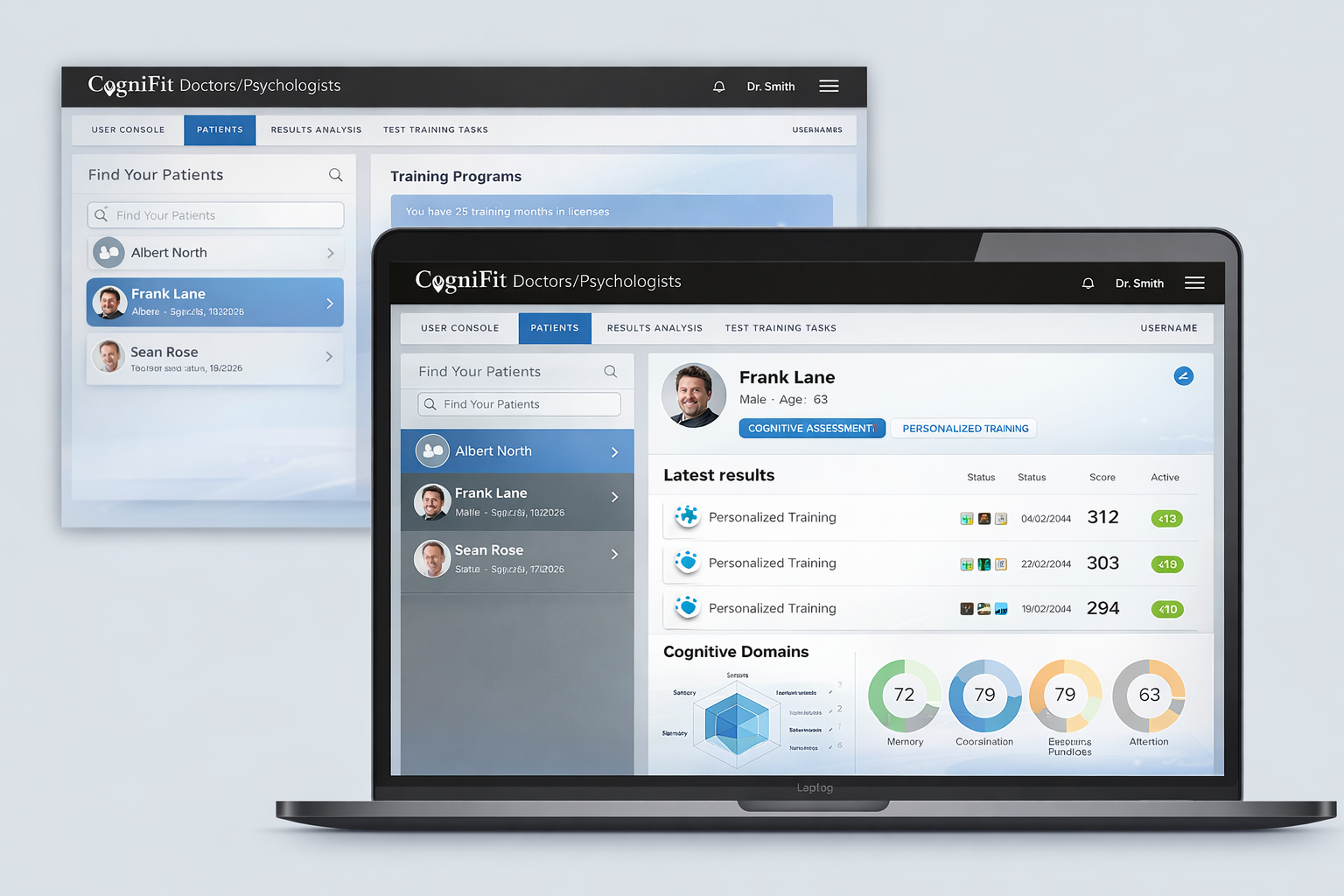
Cognitive performance was measured using the CogniFit General Cognitive Assessment Battery (CAB), a computerized tool that evaluates multiple domains including reasoning, memory, attention, coordination, and perception. The assessment generates normalized scores based on a large reference dataset, with higher scores indicating better performance.
For this study, the authors focused on specific executive-related functions derived from the CogniFit battery:
- Reasoning, including planning, processing speed, and cognitive flexibility
- Cognitive flexibility, defined as the ability to adapt behavior to changing conditions
- Working memory, defined as the ability to temporarily store and manipulate information
The assessment took approximately 40 minutes per participant and was administered digitally.
Dietary Assessment
Dietary intake was measured using a validated 93-item food frequency questionnaire (FFQ), developed for the Nutrition and Health Survey of the Valencian Community. Participants reported their typical consumption over the previous year, with standardized portion sizes used to estimate daily intake.
Mineral intake, including iron, zinc, magnesium, calcium, and others, was calculated using the Spanish Food Composition Database (BEDCA). Importantly, the study assessed mineral intake only from food sources; supplement use was not included.
Statistical Analysis
Participants were categorized into “low” or “normal” performance groups for each cognitive domain, based on standardized z-scores. Differences in mineral intake between groups were analyzed using non-parametric tests.
To further examine associations, the authors conducted binary logistic regression analyses, adjusting for age, body mass index (BMI), total energy intake, and educational level.
What Makes This Study New
The authors highlight that much of the existing literature has focused on the effects of mineral deficiencies, while “the consequences of nutritional excess… have received considerably less attention.”
This study emphasizes the potential relevance of higher levels of dietary intake, rather than deficiency states, in relation to cognitive performance. It also focuses specifically on executive functions, which are central to goal-directed behavior and cognitive control.
Compared to previous research, the paper places particular emphasis on:
- Associations between higher dietary intake (rather than deficiency) and cognition
- Executive cognitive domains such as reasoning and working memory
- A population with overweight and obesity
The authors describe their findings as exploratory and hypothesis-generating.
Key Findings from the Study
Group Comparisons
The study found that:
- Higher dietary iron intake was observed in participants with lower performance in:
- Reasoning (23.38 mg vs. 20.68 mg; p = 0.039)
- Cognitive flexibility (22.98 mg vs. 20.61 mg; p = 0.038)
- Higher dietary zinc intake was observed in participants with lower performance in:
- Working memory (14.75 mg vs. 12.53 mg; p = 0.025)
Effect sizes for these differences were small (r < 0.20).
However, after correcting for multiple comparisons using the Benjamini–Hochberg procedure, none of these associations remained statistically significant. The authors state that these findings should therefore be interpreted as exploratory.
Logistic Regression Results
In adjusted models:
- Iron intake was significantly associated with increased odds of low reasoning performance:
- Odds ratio (OR) = 1.25
- p = 0.006
- Zinc intake was significantly associated with increased odds of low working memory performance:
- OR = 1.36
- p = 0.024
- No significant association was found between iron intake and cognitive flexibility after adjustment.
Educational level was consistently associated with lower odds of low performance across domains.
Authors’ Conclusions
The authors conclude that higher self-reported intake of iron and zinc “showed nominal associations with lower performance in specific executive domains.”
They emphasize that:
- The study design is cross-sectional and does not allow causal inference
- Dietary intake was self-reported and may be subject to bias
- Biomarker data (e.g., blood levels of minerals) were not available
- The findings should be interpreted as exploratory
The authors also note that the relationship between dietary intake and brain mineral levels is complex and influenced by multiple physiological processes, including absorption, transport, and metabolism.
They recommend that future research should:
- Use longitudinal designs
- Incorporate objective biomarkers of mineral status
- Include larger samples, particularly of individuals with lower cognitive performance
Understanding the Broader Context
These findings contribute to a growing body of research examining how variations in nutrient intake relate to cognitive performance. While prior studies have frequently focused on deficiencies, this study adds descriptive data on higher intake levels and their associations with executive cognitive domains.
The results also highlight the complexity of interpreting dietary data in relation to brain function, particularly when relying on self-reported intake rather than biological measures.
Conclusion
This study provides a detailed examination of associations between dietary mineral intake and cognitive performance in a specific population of Spanish adults with overweight and obesity. The findings indicate that higher reported intake of iron and zinc was associated with lower performance in certain executive domains, although these associations were modest and exploratory.
The results add to ongoing research exploring how nutritional factors relate to cognitive processes, while also underscoring the need for longitudinal and biomarker-based studies to further clarify these relationships.
The information in this article is provided for informational purposes only and is not medical advice. For medical advice, please consult your doctor.
References
Tomé-Fernández, M., Martín-Manchado, L., Sánchez-Sansegundo, M., Zaragoza-Martí, A., Azorín-López, J., & Hurtado-Sánchez, J. A. (2026). Association Between Mineral Intake and Cognitive Performance in Spanish Adults with Overweight and Obesity: A Cross-Sectional Study. Nutrients, 18(7), 1129. https://doi.org/10.3390/nu18071129