Staying Up Late: How to Break Bedtime Procrastination

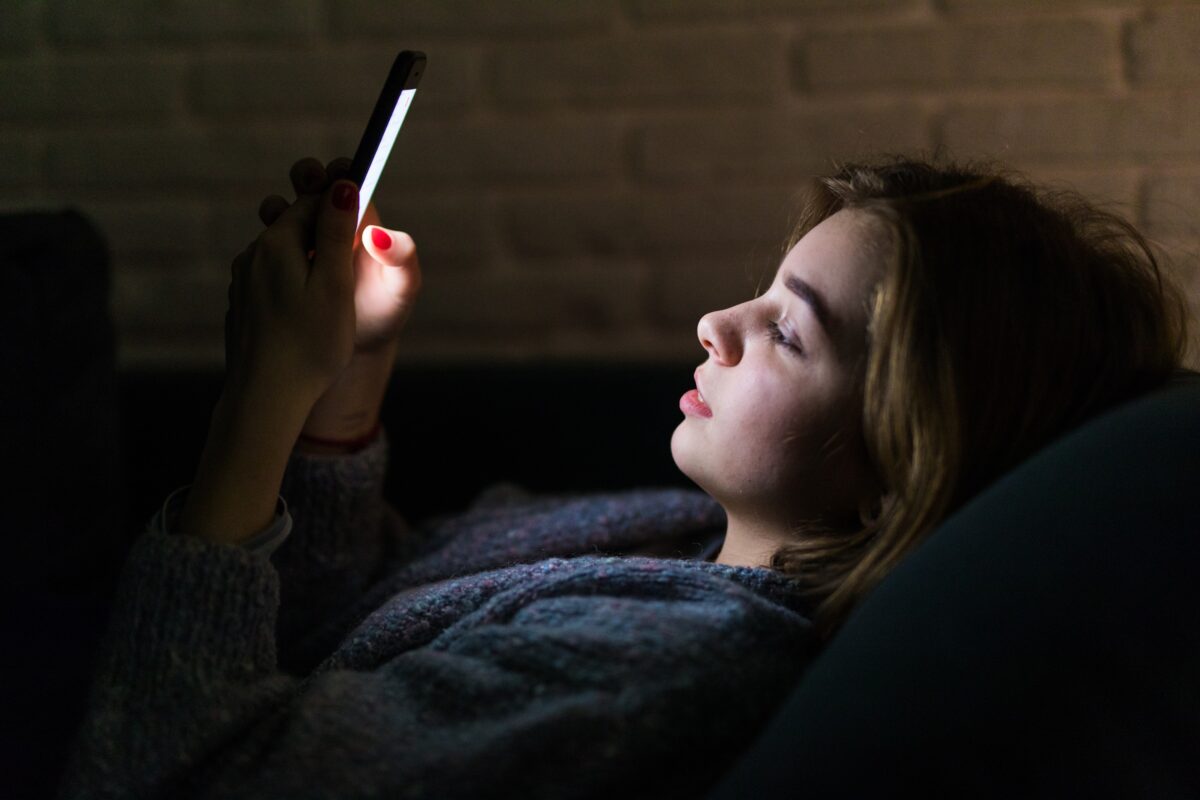
It is 1:30 AM, you are utterly exhausted, yet you continue to mindlessly scroll through your phone or watch another episode. You know you will regret it tomorrow, but late at night, those quiet hours feel like the only personal freedom you get all day. In this article, we will examine why bedtime procrastination occurs, explore its psychological roots, and provide practical, science-backed strategies to help you reclaim your night and support your cognitive well-being.
Introduction: The Anatomy of Nighttime Revenge
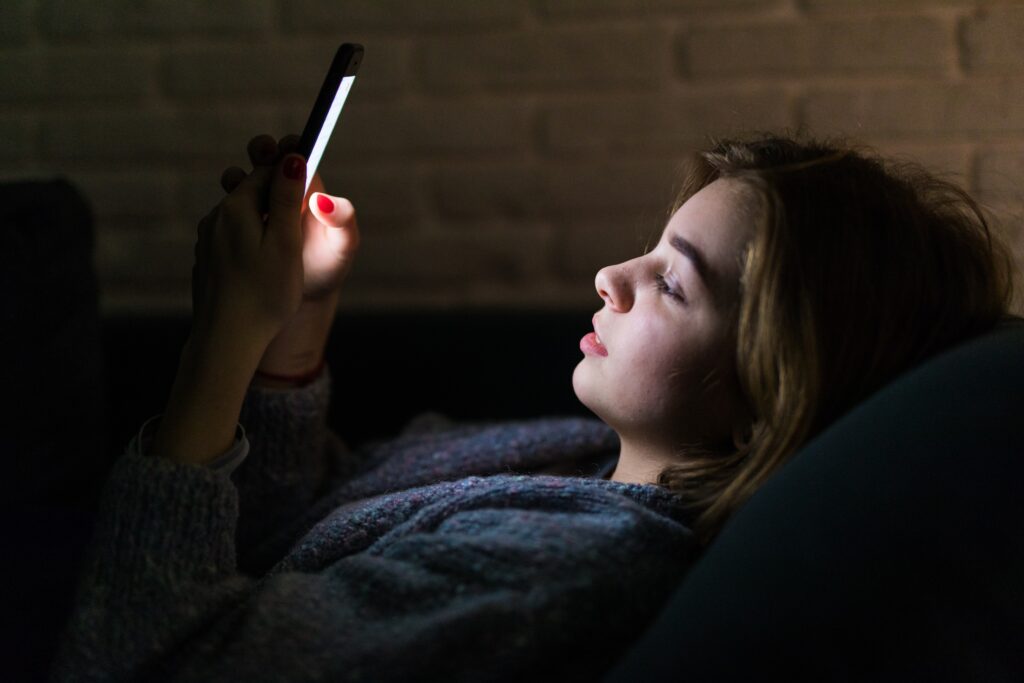
It is a familiar cycle. You spend your day managing deadlines, family responsibilities, messages, errands, and an endless to-do list. By evening, you are physically tired and mentally done. And yet you do not go to bed.
Instead, you open one more video, check one more notification, or tell yourself you will stop after the next episode. The problem is not that you do not know sleep matters. Bedtime can feel like the moment your remaining freedom disappears.
Psychologists use the term bedtime procrastination for delaying going to bed later than intended when no external circumstance is forcing the delay. Research (Kroese, F. M., et al.; Hill, V. M., et al.) has linked it with shorter sleep, poorer self-reported sleep quality, and greater daytime fatigue.
The phrase revenge bedtime procrastination is often used when the delay feels like compensation for a day with too little leisure or control. It can describe some people’s experience, but it is not a medical diagnosis, and not every late bedtime has the same cause.
Bedtime procrastination is also different from insomnia. With procrastination, the person delays the opportunity to sleep. With insomnia, a person may want and try to sleep but have persistent difficulty doing so. The two can coexist.
Why Do We Stay Awake When We Are Already Exhausted?
Your Brain Is Choosing “Now” Over “Tomorrow”
At 11:30 PM, the benefits of sleep belong to tomorrow. The reward of another episode, conversation, or scroll is immediate.
That makes bedtime a self-regulation conflict: one part of you wants the long-term benefit of sleep, while another wants relief or entertainment now. A 2022 systematic review and meta-analysis of 43 studies (Hill, V. M., et al.) found that bedtime procrastination was moderately associated with lower self-control and with an evening chronotype.
This does not mean that your “willpower battery” simply runs out or that your prefrontal cortex has no energy left. That older ego-depletion explanation is more debated. A safer conclusion is that fatigue, habits, mood, environmental cues, and immediate rewards can make intentional choices harder late in the day.
Sometimes the Real Problem Starts Before Bedtime
For some people, staying up late is less about sleep and more about finally getting time that feels like their own. If every hour belongs to work, family, chores, or other people, bedtime can feel unfair: “I have done everything I had to do. When do I get to do what I want?”
Research on the specific “revenge” motive is still developing. But emotion regulation appears relevant. In a randomized behavioral study of young adults with frequent bedtime procrastination (Jeoung, S., et al.), researchers identified emotion regulation as a major function of the behavior.
The Next-Day Trap
A meta-analytic review of sleep restriction (Lowe, C. J., et al.) found effects on sustained attention and executive functioning. That can create a feedback loop:
- The day feels demanding and leaves little room for recovery.
- Night becomes the easiest place to reclaim leisure.
- Bedtime gets pushed later.
- The next day begins with more fatigue and less stable attention.
- Late-night escape becomes tempting again.
The solution, then, is not simply “be more disciplined.”
How to Break Bedtime Procrastination Without Making Bedtime Another Chore
1. Protect Some Personal Time Before Night
If late evening is the only part of the day that feels personally meaningful, start by changing the day, not just the bedtime.
Reserve a small block of time for something you choose because you enjoy it, not because it is productive. There is no scientifically established “perfect” number of minutes.
Ask yourself: What am I trying to get at 1:00 AM that I am not getting at 6:00 PM?
2. Make Bedtime Specific
“Go to bed earlier” is vague. “Start getting ready for bed at 11:00 PM” is actionable.
Choose a realistic time to begin winding down. In a randomized controlled trial involving young adults with frequent bedtime procrastination (Jeoung, S., et al.), a behavioral intervention targeting the function of the behavior helped reduce bedtime delay, although the evidence base is still relatively small.
3. Add Friction to the Scroll
Do not rely on your most tired self to win a battle against an activity that is effortless to continue.
Try practical friction:
- charge the phone away from the bed;
- disable nonessential nighttime notifications;
- move entertainment apps off the home screen;
- switch the phone to grayscale.
A preregistered randomized field experiment (Zimmermann, L., & Sobolev, M.) found that grayscale mode produced an immediate reduction in objectively measured screen time compared with self-monitoring alone. A 2025 randomized pilot trial targeting pre-sleep device use (Hill, V. M., et al.) also reported reductions in screen use and bedtime procrastination, though larger studies are needed.
4. Give Tomorrow Somewhere to Go
Sometimes stopping the scroll means suddenly remembering everything unfinished.
In a laboratory sleep study (Scullin, M. K., et al.), participants who spent five minutes before bed writing down the tasks they still needed to complete fell asleep faster than those who focused on things they had already done. The findings suggest that putting unfinished tasks on paper may help quiet some of the mental activity that follows you into bed.
Spend five minutes writing:
- what still needs to be done;
- what can wait;
- the first step for tomorrow.
Then stop planning.
5. Replace, Do Not Just Remove
If your phone is your only enjoyable transition between obligation and sleep, removing it can leave a vacuum.
Choose a low-effort replacement: quiet music, a paper book, stretching, a warm shower, or dimmer lighting. The point is not to build a perfect 12-step sleep routine. It is to create a transition that still feels rewarding.
6. Drop the Self-Criticism
If you catch yourself scrolling at 12:47 AM, the night is not “ruined.”
A study examining self-compassion and bedtime procrastination (Sirois, F. M., et al.) found that greater self-compassion was associated with less bedtime procrastination, partly through emotion-regulation pathways, although these findings are mostly observational.
A useful reset can be small: put the phone down, notice how tired you feel, and ask: “What would help me most for the next ten minutes?”
Where Cognitive Control Fits In
Bedtime procrastination is closely tied to self-regulation, the ability to pause, shift attention, inhibit an impulse, plan ahead, and disengage from an immediately rewarding activity.
These processes rely on cognitive skills such as attention, response inhibition, working memory, and cognitive flexibility. When you are tired, stressed, or mentally overloaded, using these skills consistently can become more difficult.
Structured cognitive training is designed to actively engage abilities such as attention, inhibition, and working memory through repeated mental practice. As part of a broader cognitive wellness routine, it can complement healthy sleep habits and behavioral strategies by giving these core cognitive processes regular exercise.
Cognitive training is not a substitute for sufficient sleep, but it can be one useful component of an overall approach to supporting focus, self-regulation, and everyday cognitive functioning.
Conclusion: You May Not Need More Discipline, You May Need a Better Transition
Bedtime procrastination is not always a simple failure of willpower. It can involve habit, fatigue, emotion regulation, evening chronotype, engaging digital environments, or the feeling that nighttime is the only part of the day that still belongs to you.
So the most useful question may not be “Why can’t I just go to bed?”
It may be: “What need am I meeting by staying awake?”
Once you know the answer, the goal becomes practical: protect some leisure earlier, make bedtime concrete, add friction to automatic scrolling, give unfinished thoughts somewhere to go, and replace the late-night reward instead of simply removing it.
Sleep does not have to become one more demand on your list. The aim is to make ending the day easier than postponing it.
The information in this article is provided for informational purposes only and is not medical advice. For medical advice, please consult your doctor.
References
- Kroese, F. M., De Ridder, D. T. D., Evers, C., & Adriaanse, M. A. (2014). Bedtime procrastination: Introducing a new area of procrastination. Frontiers in Psychology, 5, 611. https://doi.org/10.3389/fpsyg.2014.00611
- Hill, V. M., Rebar, A. L., Ferguson, S. A., Shriane, A. E., & Vincent, G. E. (2022). Go to bed! A systematic review and meta-analysis of bedtime procrastination correlates and sleep outcomes. Sleep Medicine Reviews, 66, 101697. https://doi.org/10.1016/j.smrv.2022.101697
- Jeoung, S., Jeon, H., Yang, H. C., An, H., & Suh, S. (2023). A randomized controlled trial of a behavioral intervention for decreasing bedtime procrastination using a wait-list control group in a non-clinical sample of young adults. Sleep Medicine, 108, 114–123. https://doi.org/10.1016/j.sleep.2023.06.001
- Hill, V. M., Ferguson, S. A., Rebar, A. L., Meaklim, H., & Vincent, G. E. (2025). A randomised pilot trial for bedtime procrastination: Examining the efficacy and feasibility of the Reducing Evening Screen Time online intervention (REST-O). Sleep Medicine, 129, 306–315. https://doi.org/10.1016/j.sleep.2025.02.043
- Zimmermann, L., & Sobolev, M. (2023). Digital strategies for screen time reduction: A randomized field experiment. Cyberpsychology, Behavior, and Social Networking, 26(1), 42–49. https://doi.org/10.1089/cyber.2022.0027
- Scullin, M. K., Krueger, M. L., Ballard, H. K., Pruett, N., & Bliwise, D. L. (2018). The effects of bedtime writing on difficulty falling asleep: A polysomnographic study comparing to-do lists and completed activity lists. Journal of Experimental Psychology: General, 147(1), 139–146. https://doi.org/10.1037/xge0000374
- Lowe, C. J., Safati, A., & Hall, P. A. (2017). The neurocognitive consequences of sleep restriction: A meta-analytic review. Neuroscience & Biobehavioral Reviews, 80, 586–604. https://doi.org/10.1016/j.neubiorev.2017.07.010
- Sirois, F. M., Nauts, S., & Molnar, D. S. (2019). Self-compassion and bedtime procrastination: An emotion regulation perspective. Mindfulness, 10, 434–445. https://doi.org/10.1007/s12671-018-0983-3