
After a Car Accident, Your Brain Needs Care Too: Safe Cognitive Tips

For educational purposes only. If you’ve experienced a head injury or suspect you might have, please consult a licensed healthcare professional immediately.
It’s common to notice changes in memory, focus, or mental stamina after a car accident. While this can feel overwhelming, gentle habits – including structured cognitive activities – can help you stay mentally engaged as you follow your clinician’s advice. Below you’ll find a clear, fact-based overview of how app-based brain exercises like CogniFit may fit into recovery, without replacing medical care or making health claims.

What Brain Training Apps Can – and Can’t – Do After an Accident
What they can do:
- Provide short, structured cognitive activities focused on attention, working memory, and mental agility.
- Adjust challenge levels to support engagement at your pace.
- Offer simple progress tracking you can discuss with your healthcare team.
What they can’t do:
- They do not diagnose, treat, cure, or prevent injury or medical conditions.
- They are not a substitute for professional care, medical imaging, prescribed therapies, or rehabilitation under a clinician’s guidance.
Bottom line: Think of brain training apps as a guided way to practice cognitive skills – not as medical treatment or a replacement for clinical evaluation.
If You’re Working With a Clinician
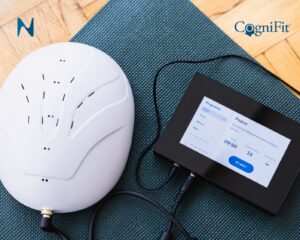
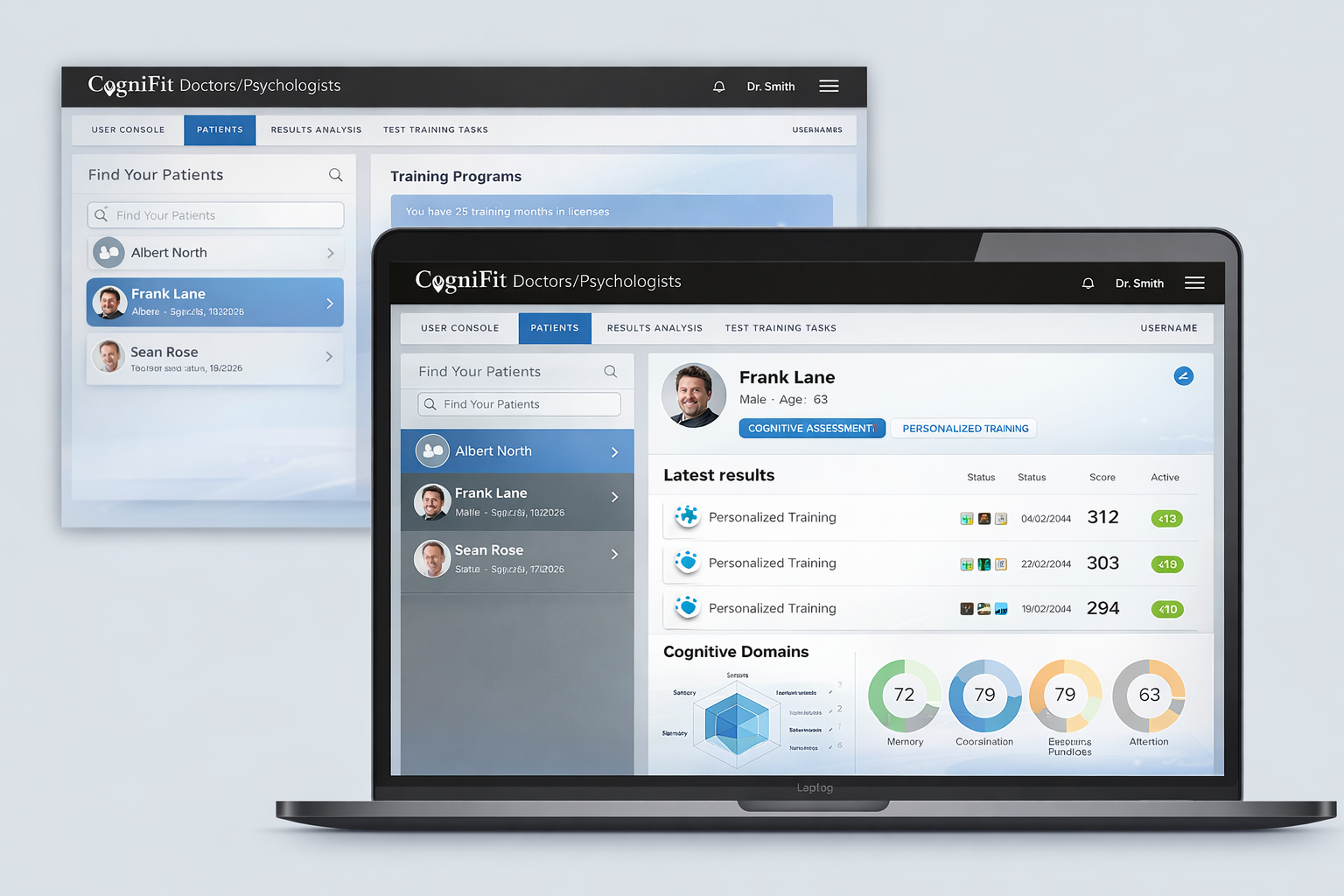
Healthcare professionals may use specialized tools to assess cognitive changes after an accident. For example, the CogniFit Cognitive Assessment Battery (CAB)® PRO is an Rx-only software tool intended for use by professionals to support cognitive assessment in adults. CAB PRO is not designed to diagnose, treat, cure, or prevent disease, and should only be used by qualified providers as part of a broader clinical evaluation.
If you’re a patient, follow your clinician’s recommendations about cognitive assessment and next steps. Discuss any at-home activities, including brain-training apps, before starting or if you notice any changes in symptoms.
Everyday Cognitive Wellness: The Role of Consumer Brain Training
Outside the clinic, some people enjoy using consumer brain-training apps as part of their wellness routine. These experiences are not medical devices and are designed to help you practice mental skills – alongside habits like healthy sleep, hydration, gentle movement (as approved by your provider), and staying socially connected.
They can help you practice and maintain mental skills in a structured way, which many find useful as part of an overall wellness routine. Practicing cognitive skills regularly may help you stay engaged and confident as you recover, but always check with your provider first.
Smart Starter Tips:
- Start with brief sessions (5–10 minutes), once a day or every other day.
- Find a quiet space with minimal distractions.
- Take breaks; if you notice headache, eye strain, dizziness, or any worsening of symptoms, stop and speak with your healthcare professional.
- Be patient – steady, consistent use is more helpful than intensity.
Safety First
Always follow your clinician’s guidance for frequency and duration of any cognitive activities.
Use only on supported devices and check app instructions.
Listen to your body: if you have a difficult day, skip or shorten the session.
If symptoms worsen with screen use, discuss with your provider whether to adjust settings (for example, larger fonts, shorter sessions) or explore non-digital alternatives.
Simple FAQ
Is a brain training app a medical treatment?
No. Brain training apps are not treatments or cures. They are tools for mental practice and engagement, best used with a clinician’s input.
Are results guaranteed?
No. Cognitive recovery is personal and depends on many factors (type and severity of injury, timing, rest, rehabilitation therapies). Your provider is the best source for individualized advice.
Can I use a brain training app if I’m still having symptoms?
Only with your healthcare provider’s guidance. Stop use if symptoms worsen, and seek professional advice.
Regulatory Notes (U.S.)
CogniFit CAB PRO (Rx-only) is for professional use only, supporting cognitive assessment in adults. It does not diagnose, treat, cure, or prevent any disease.
Consumer brain-training apps are for general wellness and do not replace medical devices, diagnosis, or treatment.
Real-World Support and Legal Resources
Braff Law Car Accident Personal Injury Lawyers
Braff Law is an established California law firm specializing in support for car accident victims. They encourage informed, holistic approaches to post-accident recovery, including staying up-to-date on non-medical educational resources such as cognitive wellness apps. For legal support, you can contact Eleonora Zeltser at Braff Law Car Accident Personal Injury Lawyers, who specializes in helping car accident victims navigate their recovery and rights. For more information, visit Braff Law’s website.
Takeaway
After a car accident, professional medical evaluation comes first. If your provider agrees, structured cognitive activities – like those in apps such as CogniFit – may offer a helpful way to stay mentally active and engaged. Always use these tools gently, follow your clinician’s recommendations, and remember that recovery is unique to you.
If you have any questions about your cognitive health, or if you notice new or worsening symptoms, consult your healthcare professional promptly.
The information in this article is provided for educational purposes only and is not medical advice. For medical advice, please consult your doctor.