Baby 3 Month Milestones: What Every New Mom Should Know

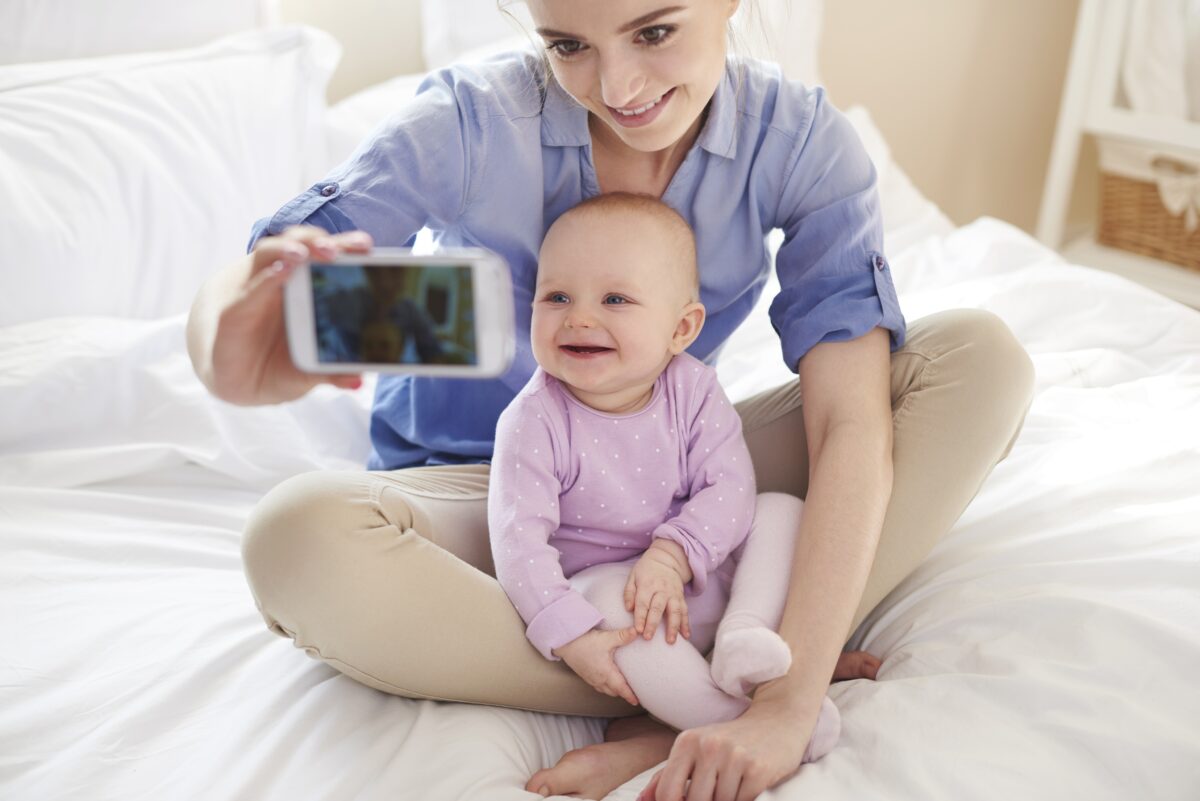
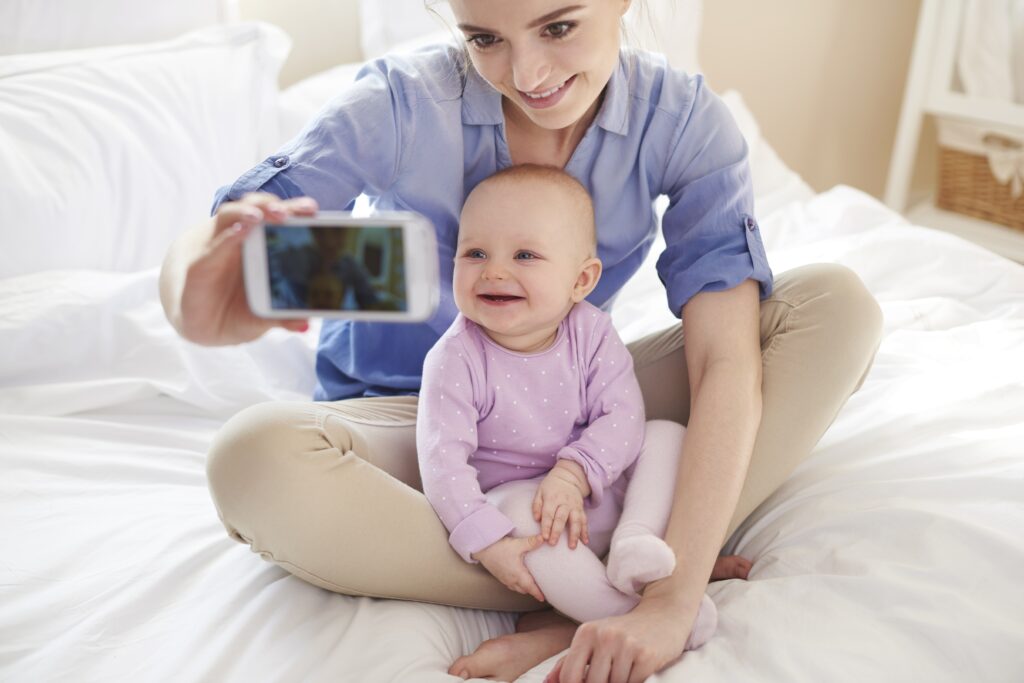
If you’re a new mom, it’s natural to feel excited and curious about common baby 3 month milestones. Milestones offer a general way to understand how babies typically grow and change during the early months. Many parents also use everyday tools, such as a baby monitor with screen and app, to keep an eye on their baby during naps or playtime and capture meaningful moments as their baby develops.
This article explores typical physical, cognitive, and social changes many babies show around three months of age. It also shares simple ways parents can support early development in daily routines.
Key Physical and Motor Skill Developments at Three Months
One of the most noticeable baby 3 month milestones involves changes in physical movement and coordination. Many babies develop increased upper body strength, improved hand-eye coordination, and more active leg movements.
During tummy time or floor play, you may notice that your baby can lift their head and chest using their forearms. Some babies begin reaching for nearby objects and bringing them toward their mouth as they explore their surroundings. A baby monitor with screen and app can be helpful for observing these moments when you’re nearby but not directly next to your baby.
At this stage, some babies may start rolling from their stomach to their back. When placed on their back, they often kick their legs energetically. When held upright, many babies can briefly hold their head steady with minimal support. Every baby develops at their own pace, and variation is completely normal.
Cognitive Milestones and Growing Curiosity
Around three months, babies often become more alert and curious about the world around them. This curiosity is an important baby 3 month milestone related to early cognitive development.
Your baby may begin recognizing familiar faces and responding to daily routines such as feeding, diaper changes, or bedtime. You can support this curiosity by talking through everyday activities, offering toys with different textures, reading books with bold images, or engaging in simple face-to-face play. These interactions help babies gradually learn about patterns, sounds, and social cues.
Social and Emotional Milestones to Watch For
Social interaction becomes more expressive at around three months. Many babies smile in response to familiar voices, enjoy playful interaction, and show excitement through movements or sounds. These baby 3 month milestones reflect early emotional connection and engagement.
Babies may also show preferences for familiar caregivers and respond positively to gentle interaction. Using a baby monitor with screen and app can help parents notice these moments during quiet play or rest time, especially when observing from another room.
Early Communication and Language Development
Communication at three months often goes beyond crying alone. Babies begin experimenting with sounds and responses as part of early language development. Common baby 3 month milestones related to communication may include:
- Cooing and vocalizing with soft vowel sounds
- Responding to voices with gurgles or coos
- Smiling or moving in response to interaction
- Occasional squeals or laughter during play
- Turning their head toward familiar sounds
Talking to your baby, responding to their sounds, and maintaining eye contact can encourage these early communication skills to grow naturally.
Vision and Hand-Eye Coordination Changes
By three months, many babies show improvements in vision and visual tracking. They may follow moving objects more smoothly and recognize familiar faces from a short distance. Bright colors, bold patterns, and movement often capture their attention.
As hand-eye coordination develops, babies may watch their hands closely and try to reach for nearby objects. These baby 3 month milestones often appear during playtime and daily interaction.
Sleep and Feeding Patterns at This Stage
Sleep and feeding patterns often continue to evolve at around three months. Many babies gradually sleep for longer stretches at night and follow more predictable routines during the day, though individual patterns vary widely.
Some babies nap several times during the day and wake for feeding at regular intervals. Using a baby monitor with screen and app can help parents observe sleep habits and routines, especially during nighttime or daytime naps. If parents have questions or concerns about sleep or feeding patterns, discussing them with a pediatrician can provide reassurance and guidance.
Supporting Your Baby’s Development Through Everyday Activities
Simple activities can support your baby’s growth during this stage. Tummy time, gentle play, talking, singing, and reading together all encourage movement, attention, and connection.
During playtime, responding to your baby’s sounds and expressions helps reinforce communication. Making faces, smiling, or singing can turn everyday moments into opportunities for learning and bonding.
Final Thoughts
Baby 3 month milestones offer a helpful framework for understanding common changes in early development. While every baby grows at their own pace, observing movement, communication, and social interaction can help parents feel more connected and confident during these early months.
Everyday routines, supportive interaction, and attentive care create a strong foundation for continued growth as your baby develops.
The information in this article is provided for informational purposes only and is not medical advice. For medical advice, please consult your doctor.