Children, Screens, and Attention: What Science, Society, and Education Really Say

What are screens really doing to children’s attention? Recent scientific research provides a nuanced picture, challenging common assumptions. Here’s what large studies, education policy, and health authorities actually report about screen time and cognitive health.
Why the Debate About Screens and Attention Is So Urgent
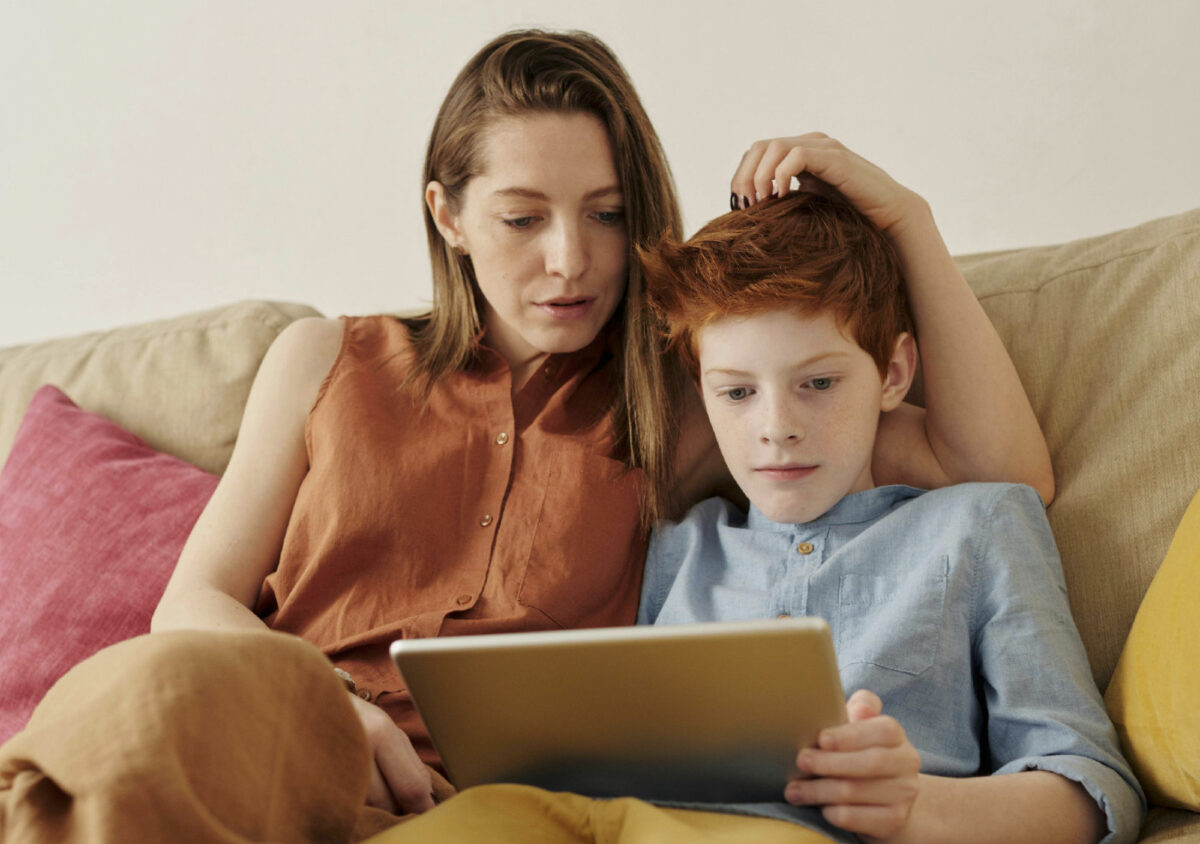
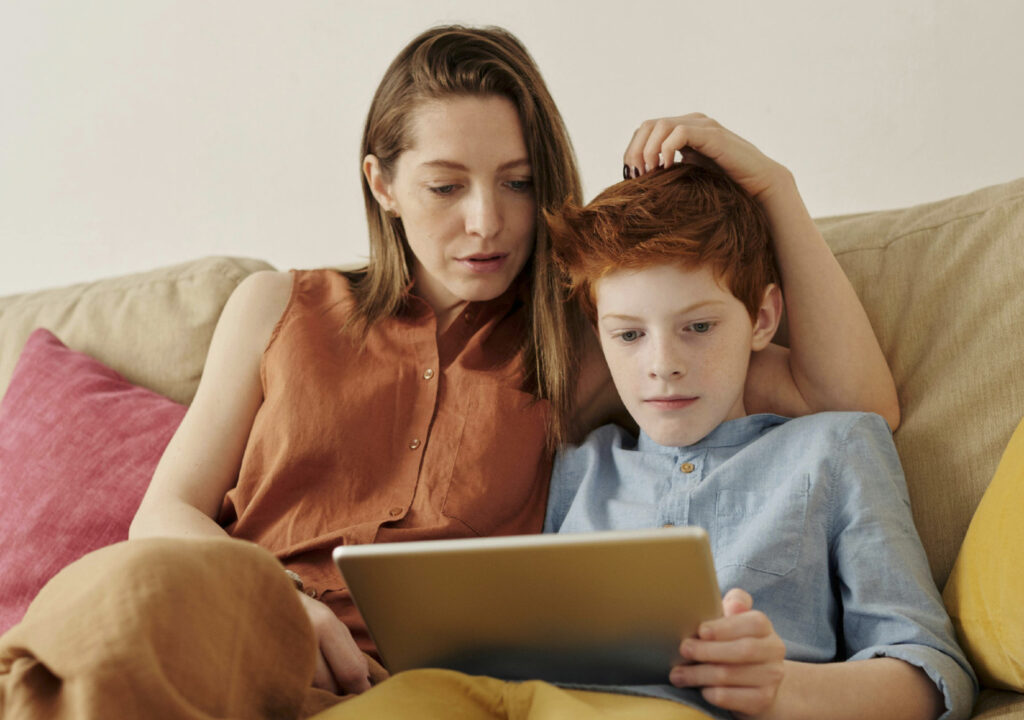
Parents, educators, and policymakers often ask whether digital media harms children’s attention. According to recent reviews and position statements by the American Academy of Pediatrics (AAP) and the Organisation for Economic Co-operation and Development (OECD), the relationship between screen use and attention is complex, and depends on content, context, and routines.
What the Research Actually Shows About Attention
Associations Exist, But Are Small and Complex
A meta-analysis of 45 studies by Nikkelen et al. (2014) found a small correlation between overall media use and ADHD-related behaviors (r = .12). The authors note that children with existing attention challenges may also seek out fast-paced media, which complicates simple cause-and-effect interpretations.
Moderation and the “Goldilocks” Pattern
Przybylski and Weinstein (2017) conducted a preregistered study of over 120,000 adolescents, reporting a quadratic (“Goldilocks”) relationship: very low and very high digital use were linked to lower well-being, with moderate use associated with higher well-being.
Tiny Average Effects on Well-Being
In large-scale analyses (Orben & Przybylski, 2019; N ≈ 355,000), the association between technology use and adolescent well-being was negative but very small, accounting for at most 0.4% of the variance. The authors suggest that average screen time is a weak predictor of well-being.
Key Point: According to these studies, what children watch, when, and what activities screen time replaces (like sleep, play, or reading) are more important than the total number of minutes.
The Role of Sleep in Digital Habits
Pediatric sleep researchers and the American Academy of Pediatrics recommend keeping digital devices out of children’s bedrooms and establishing screen-free time before bed. According to the AAP, evening exposure to light, especially blue light, can suppress melatonin and delay sleep onset, affecting circadian rhythms.
Recommendations From the American Academy of Pediatrics:
• Keep devices out of bedrooms at night.
• Establish at least one hour of screen-free time before bed (reading, bath, or quiet play).
• Reserve fast-paced or emotionally intense content for earlier in the day.
Technology in Education: Evidence and Recommendations
OECD analyses of international student performance (PISA 2022) report that moderate technology use for learning is associated with better academic outcomes than no use, while very frequent or non-instructional use correlates with lower outcomes.
According to the OECD:
• Students using devices for moderate learning in school tend to perform better than those with no access.
• Excessive or non-instructional use is linked to poorer outcomes.
• The effectiveness of technology in education depends on clear learning goals, teacher training, and ongoing support.
Key Point: OECD recommends that schools tie device use to learning goals, limit non-instructional use, and invest in teacher training to maximize the benefits of educational technology.
Teen Culture and Digital Experience
A 2024 Pew Research Center survey found that 38% of U.S. teens reported spending too much time on their smartphones, and about one-quarter felt the same about social media. The authors suggest that this self-awareness could support healthier digital habits.
At the same time, digital platforms may provide community, creativity, and opportunities for identity-building, especially for children who feel isolated offline (Pew Research Center, 2024). According to these findings, family rules and shared routines can help guide healthy media use.
Equity and the Digital Divide
OECD reports highlight persistent disparities in digital access and skills, influenced by socioeconomic status, geography, and school context. According to the OECD, bridging gaps in device access, connectivity, and teacher support is essential for equitable learning opportunities and attention support.
PISA 2022 shows that, on average, there are 0.81 computers per student across OECD countries, but there is wide variation between regions.
Myths vs. Realities (According to the Evidence)
• Myth: “All screen time is harmful to attention.”
Evidence: Excessive or poorly timed use is associated with some problems, but average effects are small; context and displacement (especially sleep) are key factors (Nikkelen et al., 2014).
• Myth: “Screens automatically shorten attention spans.”
Evidence: Some children with attention difficulties may prefer fast-paced media, complicating simple cause-and-effect claims (Nikkelen et al., 2014).
• Myth: “The solution is zero screens.”
Evidence: Balanced, intentional use—especially for learning and creativity—is compatible with healthy development. Policy statements emphasize planning and context over blanket bans (AAP, OECD, 2023).
Practical Guidelines From Research and Policy
For Families and Caregivers (Based on AAP Recommendations):
• Create a shared media plan (AAP Family Media Plan) to decide when and where devices are used.
• Keep devices out of bedrooms and ensure at least one hour of screen-free time before bed.
• Prioritize active, creative, or learning-focused digital use over passive consumption.
• Model positive device habits; establish screen-free zones during meals and conversations.
• Monitor for displacement of physical activity, reading, or in-person play.
• Check in regularly about children’s feelings toward apps or platforms.
For Schools and Districts (OECD Guidance):
• Connect device use to clear learning objectives.
• Limit non-instructional device use during class time.
• Provide ongoing teacher training and support.
• Address disparities in device access and digital skills.
Conclusion
The available research does not support extreme positions on children, screens, and attention. Instead, according to the American Academy of Pediatrics, OECD, and recent large-scale studies, effective routines, sleep protection, and context matter far more than any single measure of screen time. Families and educators who structure screen use with clear routines and goals, in line with expert guidance, are best positioned to support children’s well-being in a digital age.
References
- American Academy of Pediatrics. Family Media Use Plan (https://www.healthychildren.org/English/family-life/Media/Pages/How-to-Make-a-Family-Media-Use-Plan.aspx); AAP News update (May 2023).
- Nikkelen, S.W.C., Valkenburg, P.M., Huizinga, M., & Bushman, B.J. (2014). Media use and ADHD-related behaviors in children and adolescents: A meta-analysis. Developmental Psychology, 50(9), 2228–2241. DOI 10.1037/a0037318
- Przybylski, A.K., & Weinstein, N. (2017). A large-scale test of the Goldilocks hypothesis: Quantifying the relations between digital-screen use and the mental well-being of adolescents. Psychological Science, 28(2), 204–215. https://doi.org/10.1177/095679761667843
- Orben, A., & Przybylski, A.K. (2019). The association between adolescent well-being and digital technology use. Nature Human Behaviour, 3, 173–182. https://www.nature.com/articles/s41562-018-0506-1
- OECD (2023). PISA 2022 Results (Volume I & II). https://profuturo.education/en/observatory/trends/students-and-screens-what-pisa-says/
- https://www.oecd.org/en/topics/sub-issues/digital-divide-in-education.html
- https://gpseducation.oecd.org/IndicatorExplorer?indicators=N051&plotter=h5&query=34&
- Pew Research Center (2024). https://www.pewresearch.org/internet/2024/03/11/how-teens-and-parents-approach-screen-time/
The information in this article is provided for informational purposes only and is not medical advice. For medical advice, please consult your doctor.