How Community and Connection Shape the Lives of Older Adults

Aging often changes social life in quiet but significant ways. Friends may pass away, family members may live far away, and health challenges can make participation in activities more difficult. Researchers have increasingly turned their attention to this issue, studying how isolation influences older adults and how community engagement may provide support.
Why Social Connection Is a Research Focus
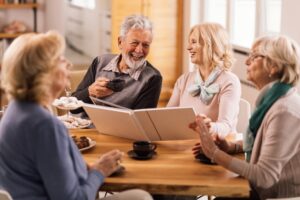
Studies across the world indicate that loneliness is common in later life. According to several large-scale surveys, roughly one in six adults report experiencing it regularly. Researchers emphasize that while loneliness affects people of all ages, older adults may face more barriers to forming new connections due to mobility changes, retirement, or the loss of loved ones.
In academic literature, loneliness is discussed not only as an emotional experience but also as a factor associated with a range of health outcomes. For this reason, social connection has become a topic of public health research.
Findings From Community-Based Studies
The organization National Church Residences has reported that moving into supportive housing or participating in structured retirement groups can create daily opportunities for interaction. Their reports emphasize that residents often describe improved mood, a sense of belonging, and renewed purpose when part of an active community.
Similarly, the Department of Communities in Western Australia has highlighted the role of recreational programs. Their evaluation noted that walking groups, cultural programs, and other organized activities help participants remain engaged and give structure to daily life.
A study cited in the Free Press Journal also pointed to the importance of diverse social networks, where ties across family, neighbors, hobbies, and volunteering were linked to more consistent emotional support and companionship.
These sources collectively show that researchers and practitioners view community participation as an important component of well-being in older age.
Cognitive Engagement Through Social Activity
Several studies have examined whether frequent conversation, problem-solving, and shared activities may help maintain cognitive function. Authors note that active social networks stimulate the brain through dialogue and interaction. While findings vary by study, the general consensus is that participation in social activities is an important factor to consider when examining healthy aging.
The Role of Trained Professionals
Even with accessible programs, some older adults experience challenges in joining them. Researchers note that conditions such as depression or anxiety may limit participation. In these cases, trained professionals can provide guidance and support.
Psychiatric Mental Health Nurse Practitioners (PMHNPs), for example, are advanced practice nurses who combine medical training with a focus on emotional well-being. According to Felician University, their online MSN PMHNP program emphasizes compassionate care and prepares practitioners to address both clinical and social aspects of mental health. The online format allows nurses to pursue advanced skills while continuing professional practice, expanding their ability to support individuals in need.
Practical Approaches Highlighted in Research
Reports from community organizations and academic sources frequently suggest practical measures that may reduce social isolation among older adults. Examples include:
- Inclusive activities designed to accommodate different mobility levels and interests
- Transportation support that enables participation in local events
- Intergenerational programs that encourage interaction with younger groups
- Regular check-ins by community volunteers or organizations
- Digital literacy initiatives to help older adults connect through video calls or online communities
These strategies reflect ways that institutions, families, and professionals can contribute to more supportive environments.
Conclusion
The growing body of research underscores that community, recreation, and professional support play important roles in how older adults experience aging. While each study highlights different aspects, together they point to the significance of maintaining social ties and opportunities for meaningful interaction.
As Felician University notes, advanced training programs such as the online MSN PMHNP pathway prepare healthcare professionals to better understand and respond to these needs. For families, practitioners, and policymakers, the evidence emphasizes that social connection is not incidental but an integral theme in aging research.
The information in this article is provided for informational purposes only and is not medical advice. For medical advice, please consult your doctor.