Visual Clarity and Cognitive Health: The Science of Restoring Memories

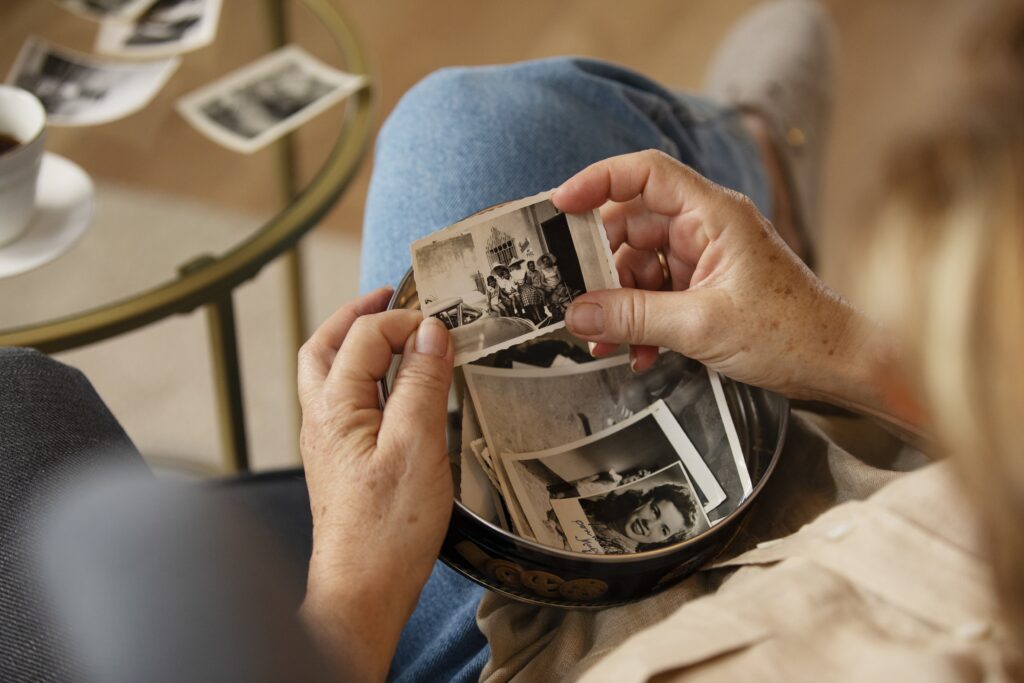
Our memories form much of the structure of personal identity. From a neurological perspective, remembering involves coordinated activity across multiple brain regions, including areas associated with memory formation and retrieval. Yet memory is rarely experienced as abstract information. It is often visual, shaped by faces, colors, and familiar scenes.
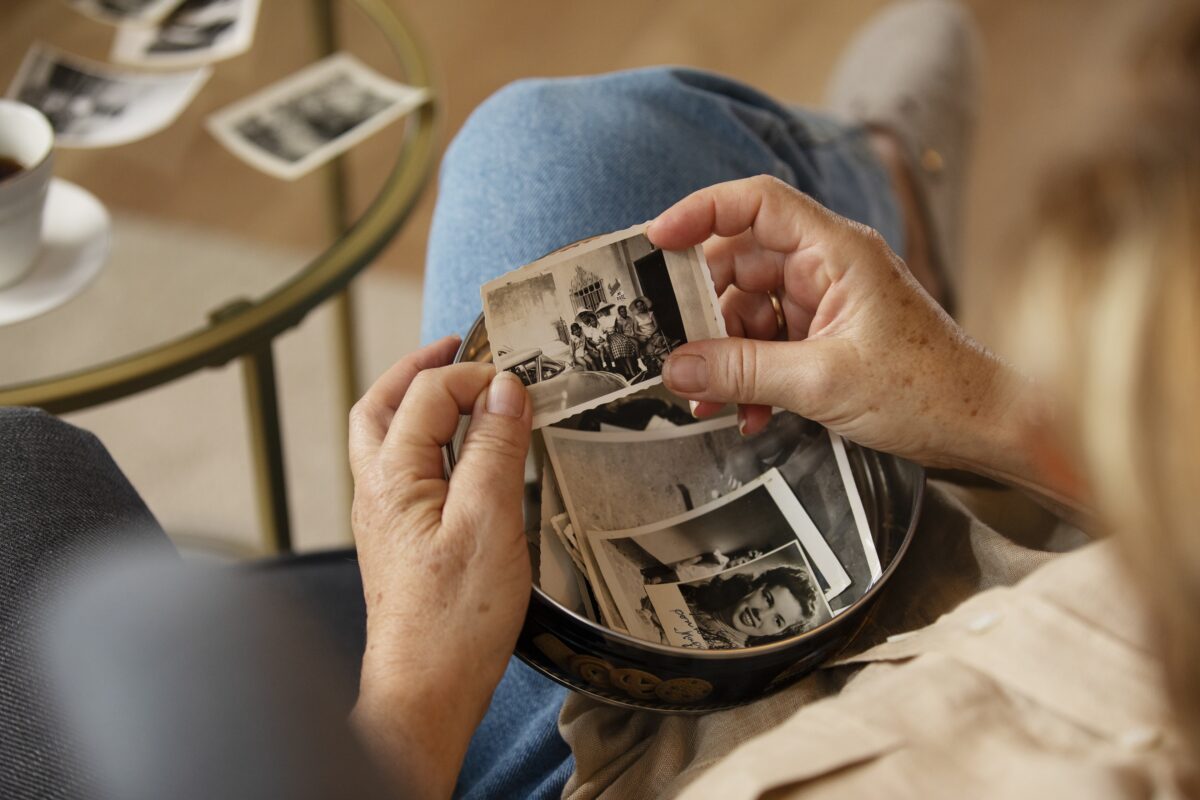
For many years, psychologists and geriatric specialists have explored approaches that use tangible prompts, such as photographs, to encourage reflection and conversation, particularly among older adults. Visual materials are commonly used in these contexts to support recollection and interpersonal engagement. However, one practical challenge is the condition of the materials themselves. Over time, printed photographs can fade, tear, or lose clarity, which may limit their usefulness as visual references.
This article examines how modern AI restoration technology is increasingly being used to improve the visual quality of archived photographs, and how clearer images may support meaningful interaction with personal memories.
The Connection Between Vision and Recall
Visual information plays a central role in how people recognize and interpret past experiences. Photographs often function as “retrieval cues,” prompting individuals to recall associated places, events, or people. When someone looks at an image of a childhood home or a family gathering from decades ago, the brain may link visual details with stored contextual information.
When photographs are heavily damaged or blurred, recognizing key details can become more difficult. In such cases, individuals may need to rely on inference or guesswork, which can make the experience less engaging. Clearer visual cues, by contrast, can make it easier to identify familiar elements and follow the narrative contained within an image.
Clearing the Fog: How AI Supports Image Restoration
Advances in image processing have made it possible to digitally restore old or damaged photographs with a high level of detail. Unlike basic scanning, modern AI-based systems analyze patterns within images to estimate and reconstruct missing or degraded elements.
Face enhancement tools can improve the visibility of facial features that were previously indistinct due to motion blur or wear. Colorization tools can add color to black-and-white photographs, offering a different visual perspective on historical moments. While these processes do not recreate the past itself, they can make existing images easier to view and interpret.
A Project for Intergenerational Connection
Photo restoration can also become a shared activity within families. Sorting through photo albums involves selection, organization, and discussion. Digitally restoring images introduces a technical step that may appeal to younger family members, while the finished images often prompt storytelling from older relatives.
In this way, restored photographs can serve as focal points for conversation. Describing who appears in an image, where it was taken, and what was happening at the time encourages narrative exchange and preserves personal histories through shared dialogue.
The Experience of Visual Clarity
When a previously unclear image becomes easier to recognize, the experience is often described as meaningful. Seeing familiar faces or places with greater clarity can help individuals reconnect with personal stories and family history. These moments are frequently associated with reflection and emotional engagement, particularly when images relate to important life events or loved ones.
Conclusion
Technology is often discussed in terms of speed and efficiency, but it can also play a role in preserving personal archives. By improving the visual clarity of historical photographs, AI-based restoration tools help maintain access to visual records that might otherwise fade from view. In doing so, they support the continued sharing of stories, experiences, and identity across generations.
The information in this article is provided for informational purposes only and is not medical advice. For medical advice, please consult your doctor.