The Science of Everyday Focus: How Our Brains Handle Distractions

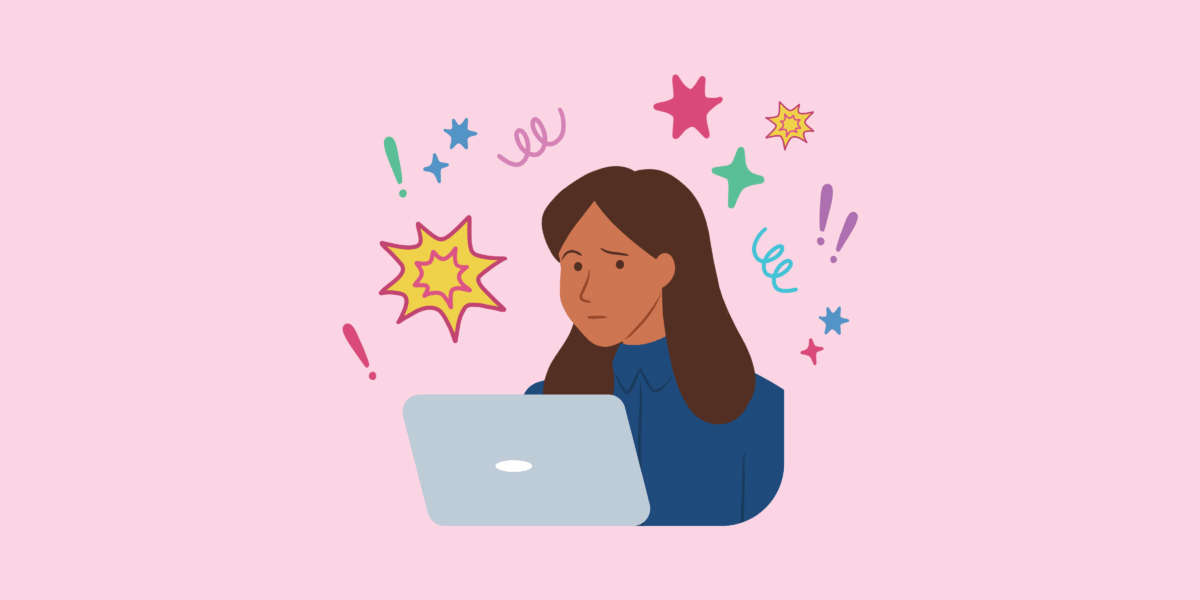
In today’s fast-moving world, staying focused has become both a challenge and a necessity. Whether you’re reading a book, finishing a work project, or even having a conversation, distractions constantly compete for your attention. But what does science actually say about how focus works – and why it’s so easy to lose? This article explores the psychology of attention, the role of distractions in everyday life, and the ways researchers have studied focus across different settings.
This article explores the psychology of attention, the role of distractions in everyday life, and the ways researchers have studied focus across different settings.
What Does “Attention” Mean in Psychology?
Psychologists often define attention as the ability to selectively process some information while ignoring other inputs. Since we are constantly surrounded by sounds, sights, and sensations, the brain must filter out much of this incoming data to allow us to function effectively.
Classic experiments, such as the famous “cocktail party effect” study, demonstrate this process. At a crowded event, people can often tune in to one conversation while ignoring dozens of others – unless they hear their own name, which instantly grabs their awareness.
This balancing act between focus and distraction is central to everyday life.
Why Do Distractions Feel So Powerful?
Modern environments are filled with competing signals: phone notifications, background noise, and endless streams of digital content. Many studies have suggested that distractions may be compelling because they trigger the brain’s natural alert systems. A sudden sound or flashing light may have once signaled danger – so humans are wired to pay attention to them.
Today, this survival mechanism means that alerts on our devices or unexpected interruptions often feel irresistible. Some psychologists describe the challenge of regaining focus after a distraction as “attention residue.”
How Focus Works in Daily Activities
Attention isn’t a single process; it comes in different forms:
- Sustained attention: Staying on one task over a long period, like reading a novel.
- Selective attention: Blocking out distractions to focus on one source, such as listening to a lecture.
- Divided attention: Attempting to process multiple inputs at once, like driving while talking.
Interestingly, many studies have suggested that humans may not be as effective at multitasking as we often believe. Instead of truly doing two things at the same time, the brain may rapidly switch back and forth, which can sometimes affect accuracy or efficiency.
What Research Says About Managing Focus
While distractions are a natural part of life, researchers in psychology and cognitive science have explored strategies that can support better focus:
- Structured breaks: Short breaks during long tasks can refresh attention.
- Reducing interruptions: Turning off notifications or creating quiet workspaces can minimize competing signals.
- Single-tasking: Prioritizing one activity at a time often leads to higher quality outcomes than multitasking.
These approaches are not guaranteed to eliminate distractions, but they highlight different ways people can manage how their attention is directed in daily life.
The Role of Cognitive Practice
Just as athletes practice their sport, individuals can also engage in activities that involve attention, memory, and problem-solving. Games, puzzles, and structured exercises may be useful for practicing cognitive skills in a fun and interactive way.
CogniFit provides access to science-based tools and activities designed to support users in exploring different aspects of cognitive processes, including attention. These resources do not diagnose, treat, or prevent medical conditions, but they offer an engaging way to reflect on how focus works in daily life.
Key Takeaway
Distractions are not a modern invention – they’re part of the way human attention naturally functions. By learning about how focus works and recognizing the pull of competing signals, some individuals may find ways to adjust their environment or routines to help manage attention more effectively.
Attention may always be a balancing act, but awareness of the science behind it can help individuals navigate daily life with greater clarity.
This article is for informational purposes only and does not constitute medical advice. For medical concerns, please consult a healthcare professional.